ICOMOS concludes Climate Literacy Trainings in Brazil and Australia
Following the International Day for Monuments and Sites on 18 April 2026, the ICOMOS National Committees of Brazil and Australia organised Climate Literacy Trainings as part of the wider efforts led by the Climate Action Working Group (CAWG) to strengthen climate action across the cultural heritage sector.
Building capacity in Climate Literacy
Developed in collaboration with Preserving Legacies and the ICOMOS National Committees, the trainings brought together heritage professionals, cultural managers, academics, students, and institutional representatives from different regions.
Through presentations, discussions, and collaborative exchanges, participants explored the impacts of climate change on cultural heritage sites, cultural landscapes, and communities. The programme also encouraged participants to identify practical and locally grounded responses.
Climate Literacy Training in Brazil
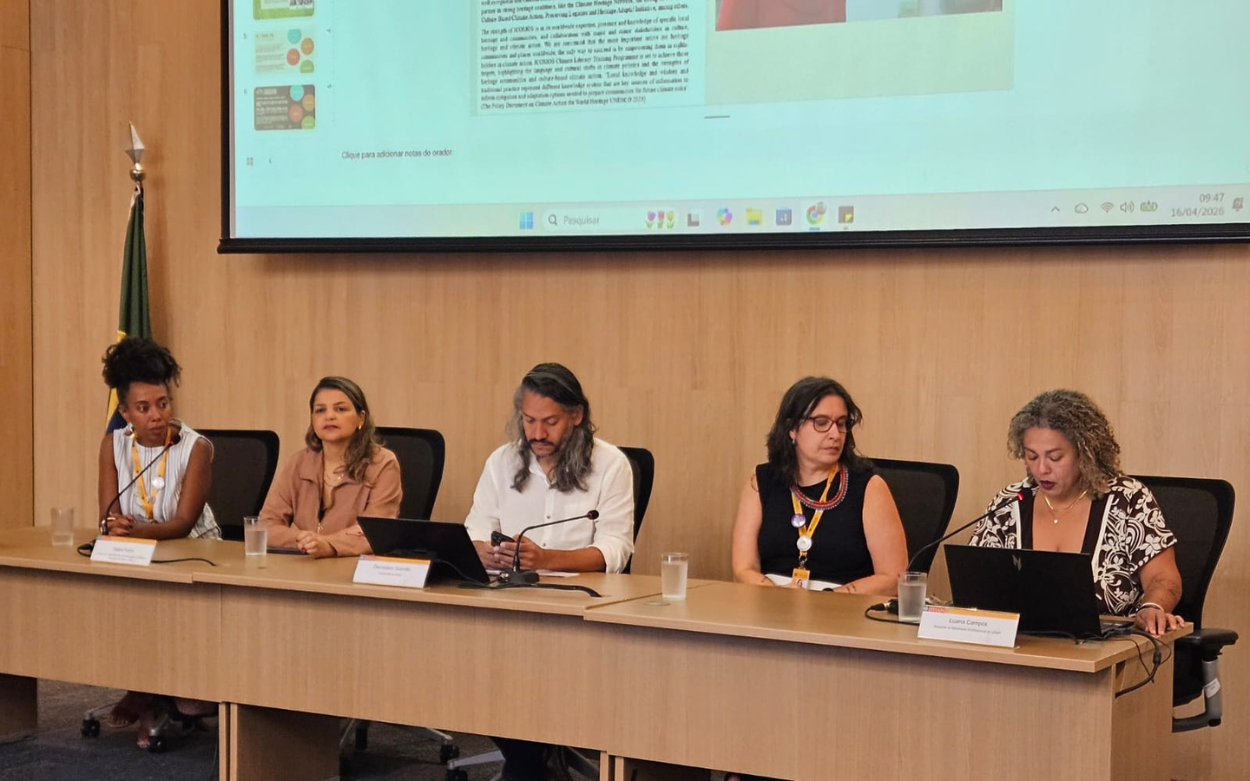
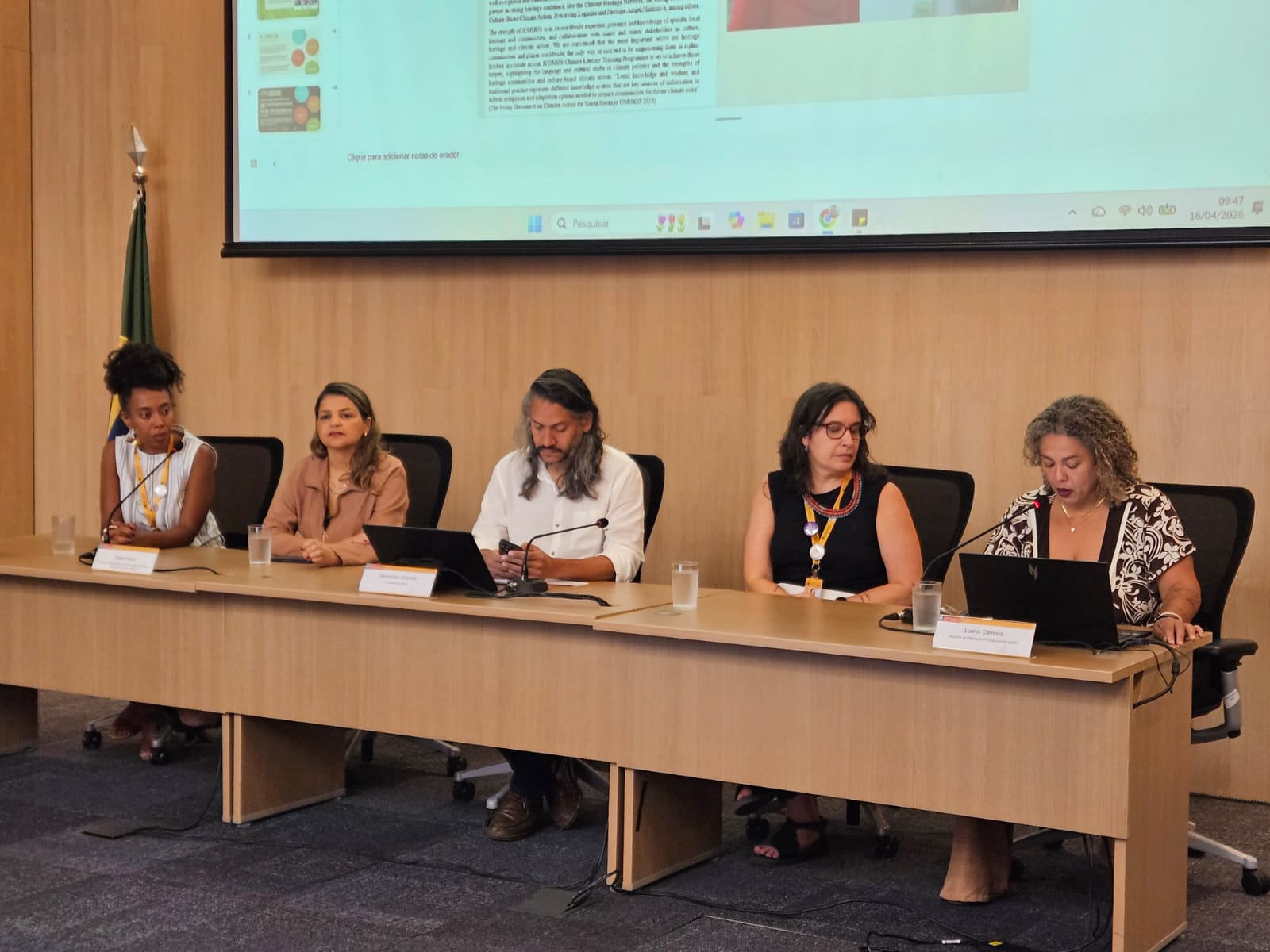
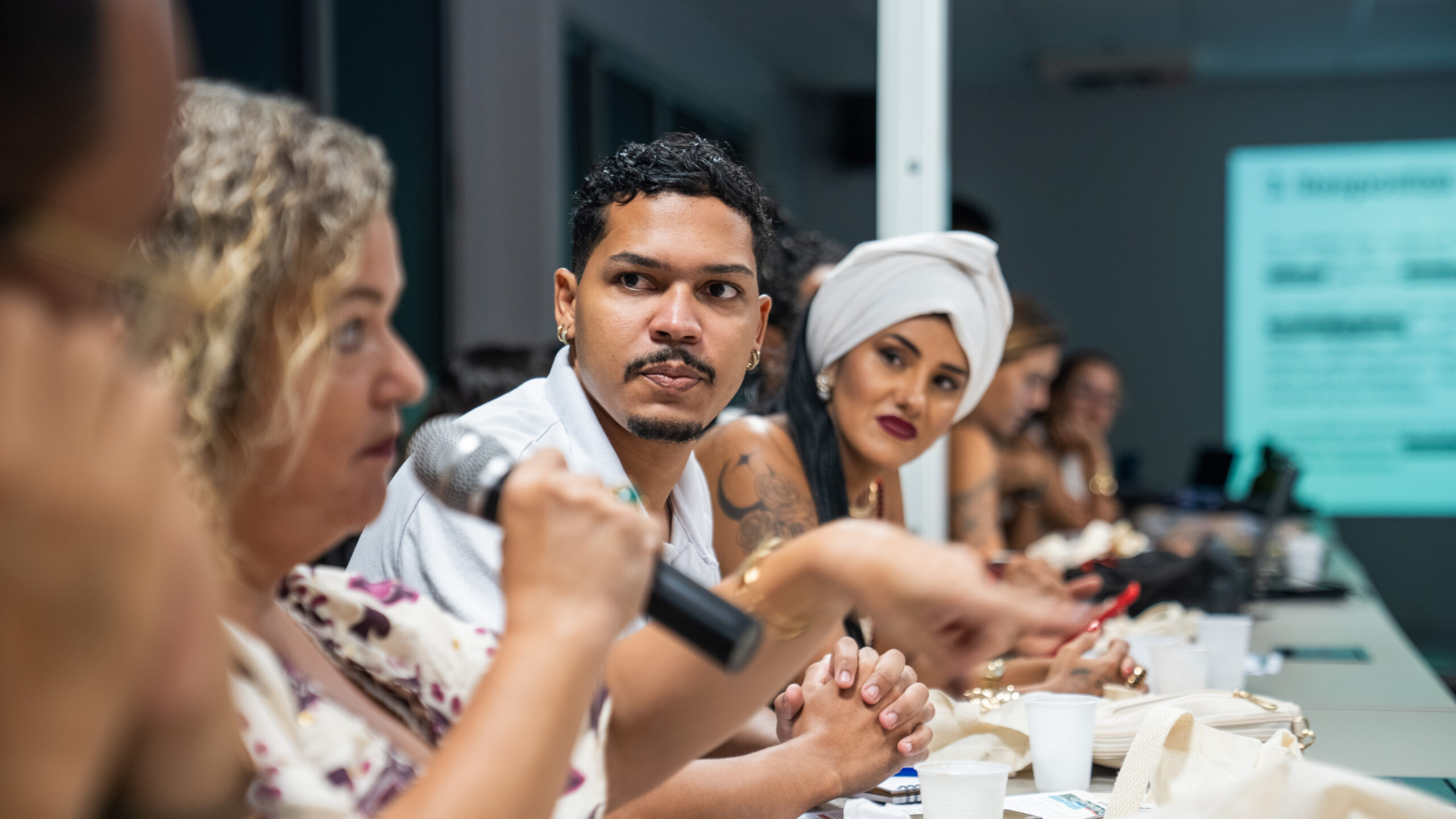
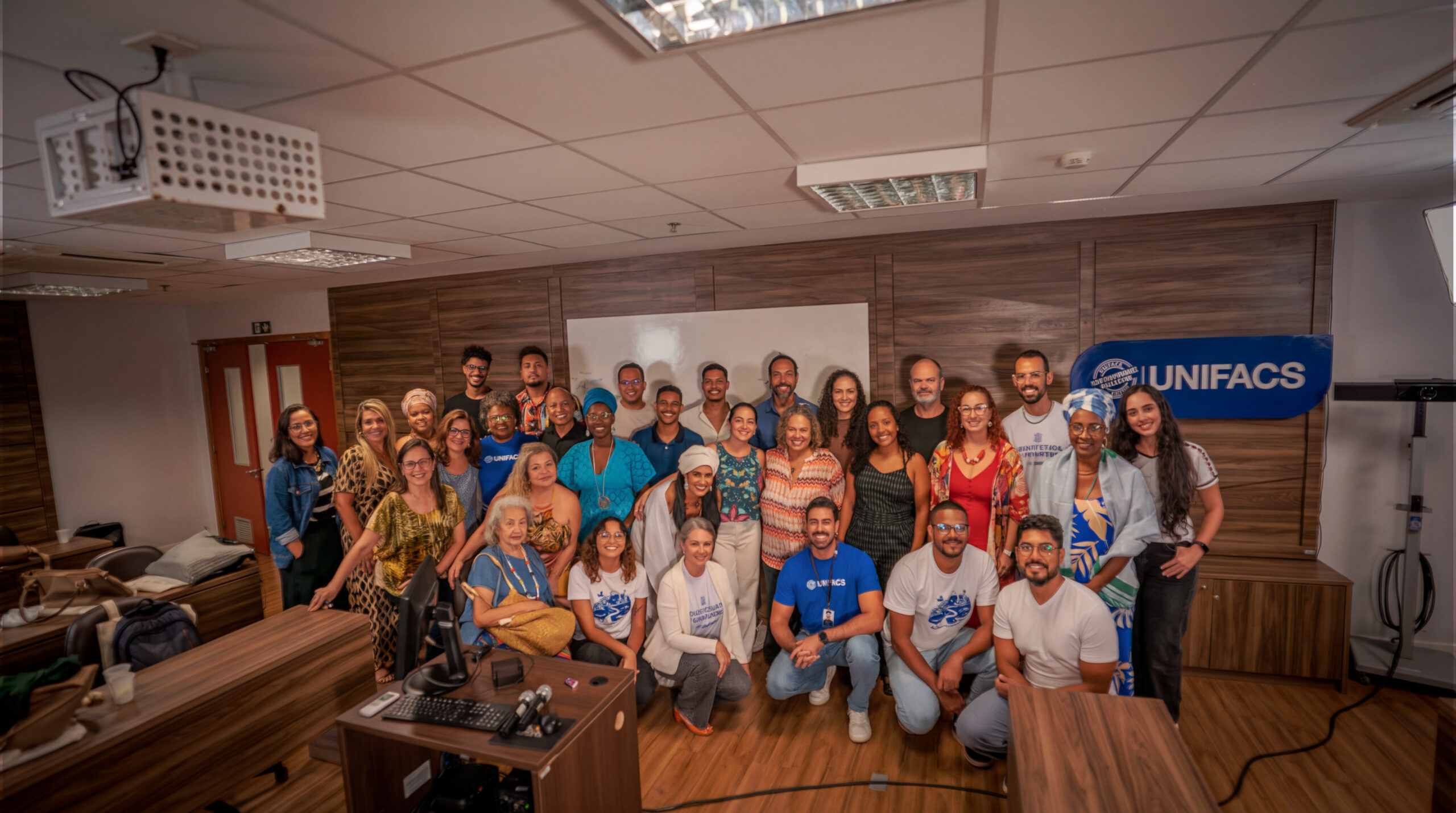
ICOMOS Brazil organised two training sessions, made possible through the dedication and initiative of Bruno Andrade and Luana Campos, in close collaboration with the ICOMOS Climate Action Working Group (CAWG). The first session was held in Brasília to celebrate the International Day on Monuments and Sites, gathering over 70 participants from institutions working at municipal, state, and federal levels. The second took place in Salvador in May, with over 50 participants, and was particularly enriched by the presence and contributions of Afro-Brazilian communities, including representatives of Candomblé Terreiros and Quilombos — whose living heritage and deep-rooted relationship with territory brought vital perspectives to the discussions on climate impacts and cultural resilience.
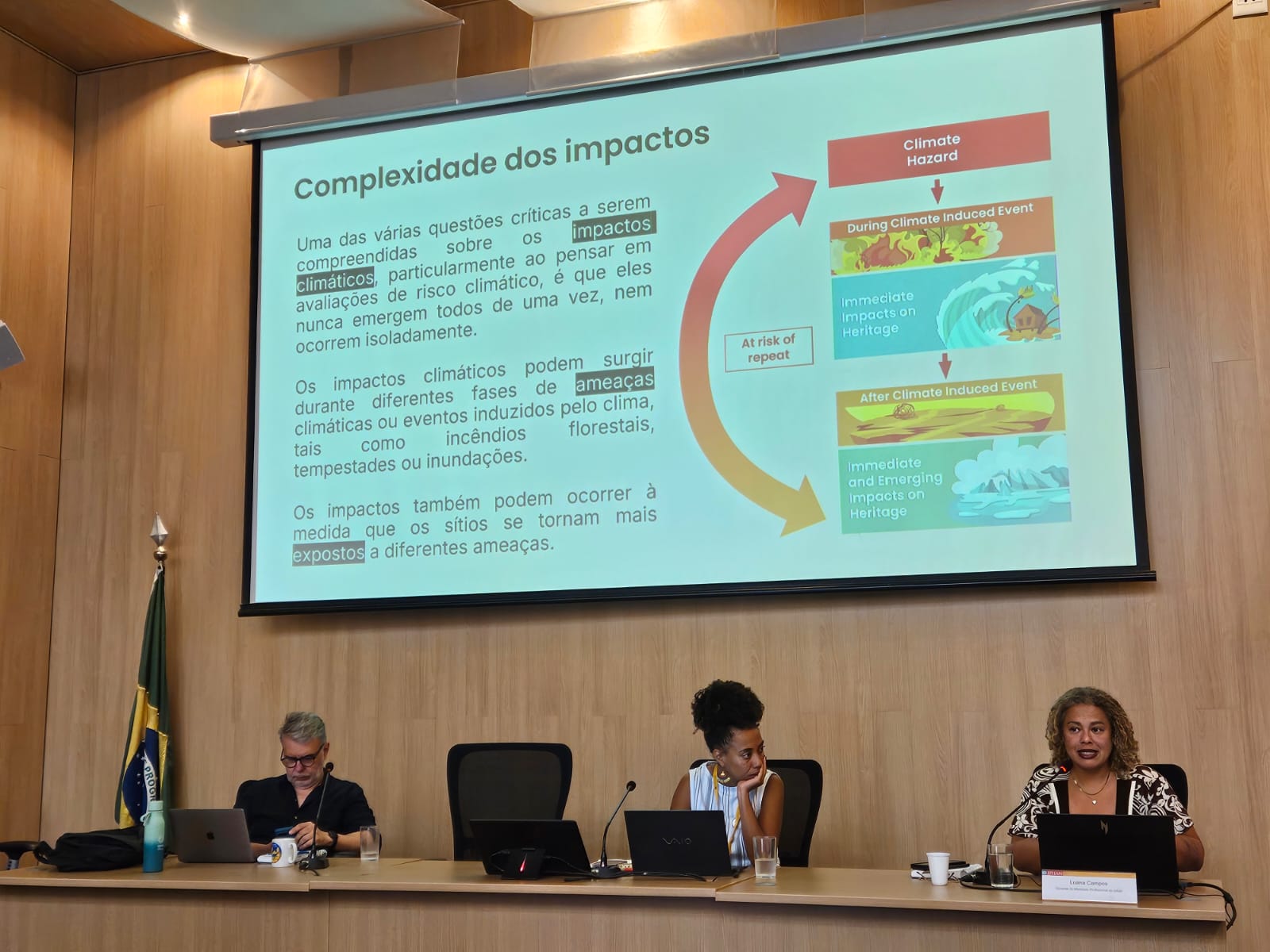
The training balanced theoretical reflection with practical application. On the first day, participants attended a hybrid introductory session focused on key themes related to climate action and cultural heritage. On the second day, the programme focused on project analysis for cultural managers. Participants engaged with practical examples and discussed responses to climate-related challenges.
Qualitative observations highlighted a growing integration of climate-related concepts into heritage and public management discussions. The participants explored topics such as risk analysis, hazard, vulnerability, and mitigation. The discussions notably encouraged critical reflection on the terminology and frameworks used in climate and heritage discourse.
These exchanges contributed to a stronger understanding of the territorial dimensions of climate change impacts. They also reinforced the importance of locally grounded approaches. Overall, the Brazilian training demonstrated that effective climate action in the heritage sector must consider social, cultural, and territorial contexts in order to develop inclusive and community-based solutions.
CLTH in Brazil
Climate Literacy Training in Australia
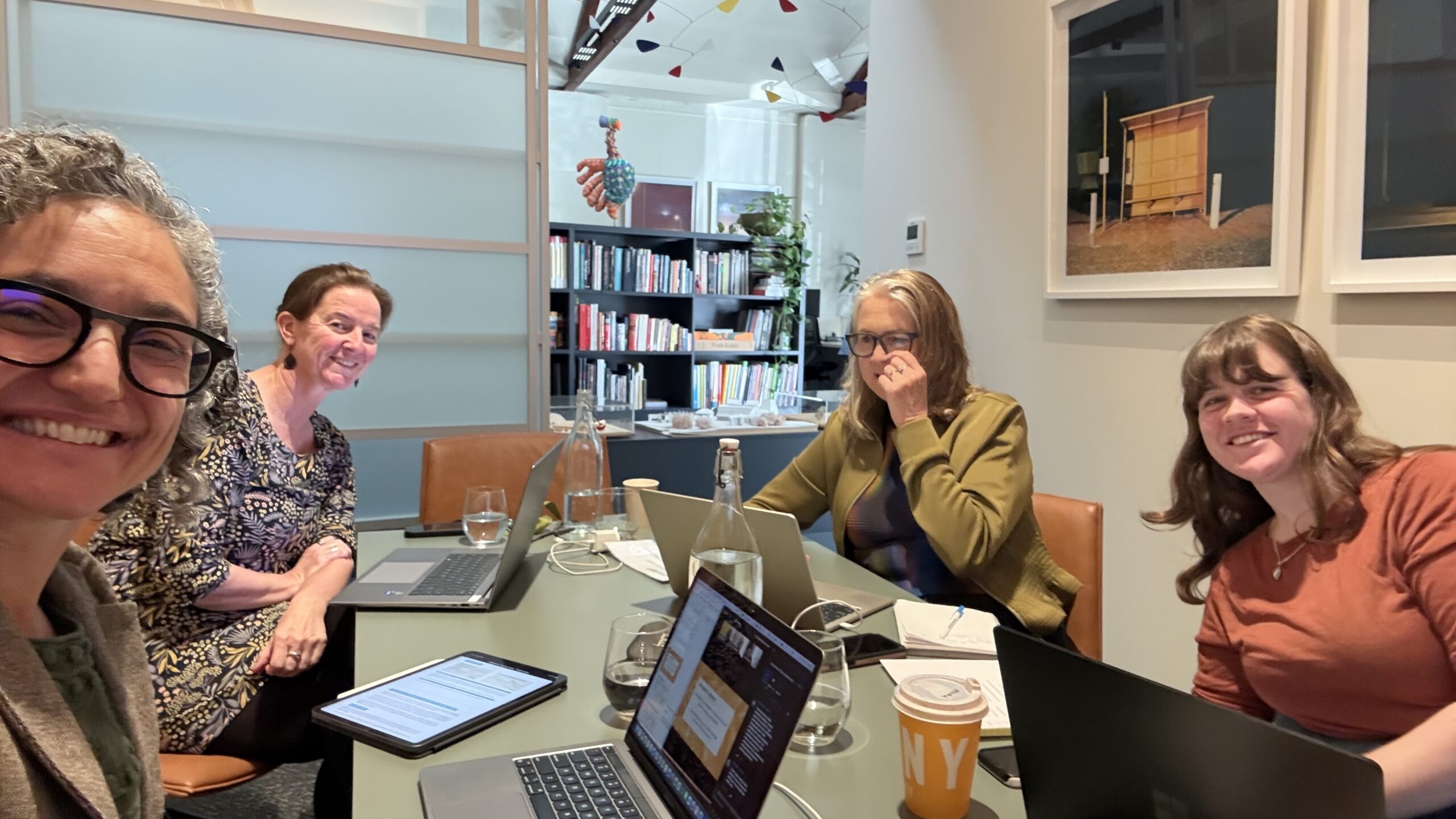
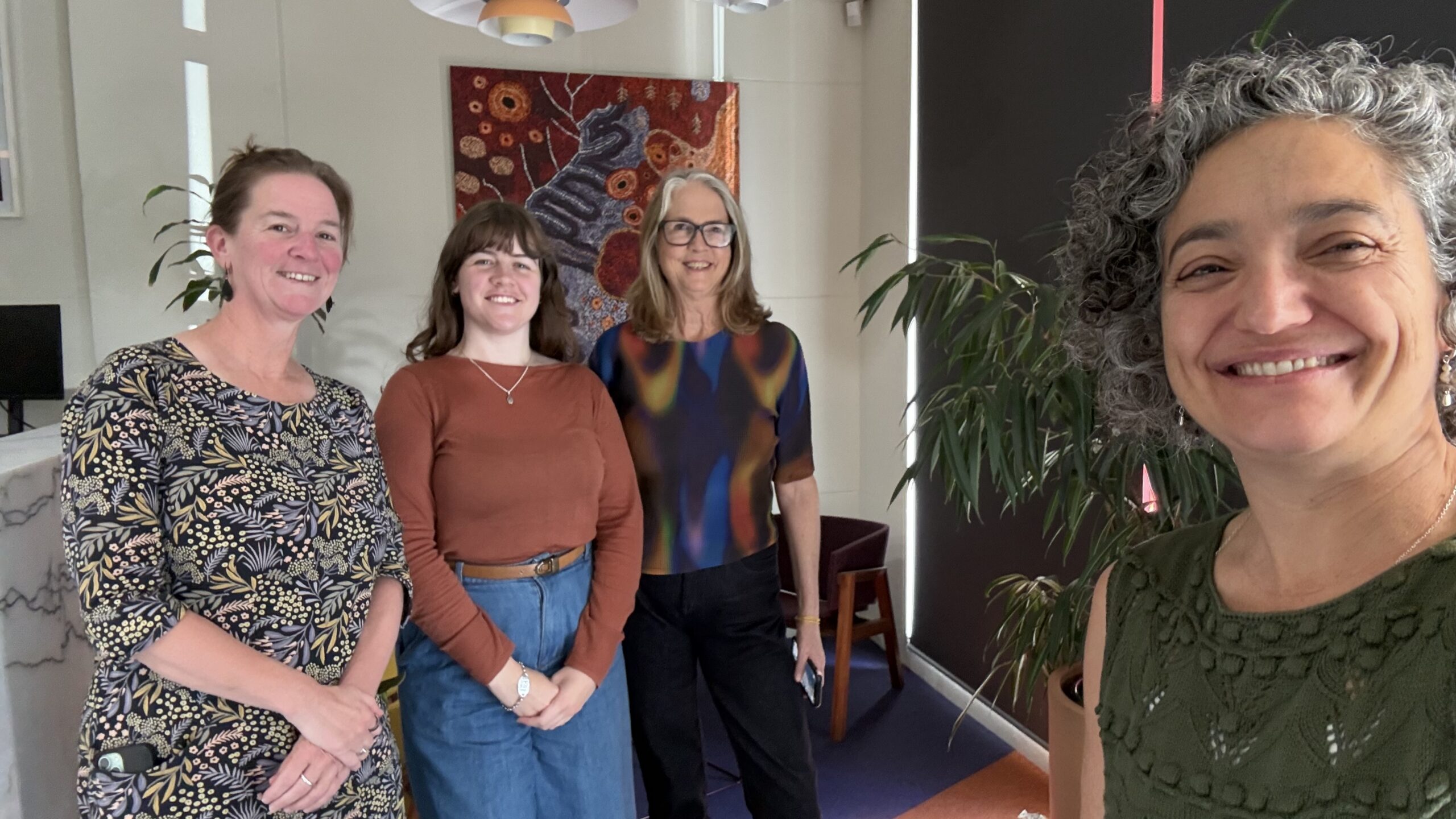
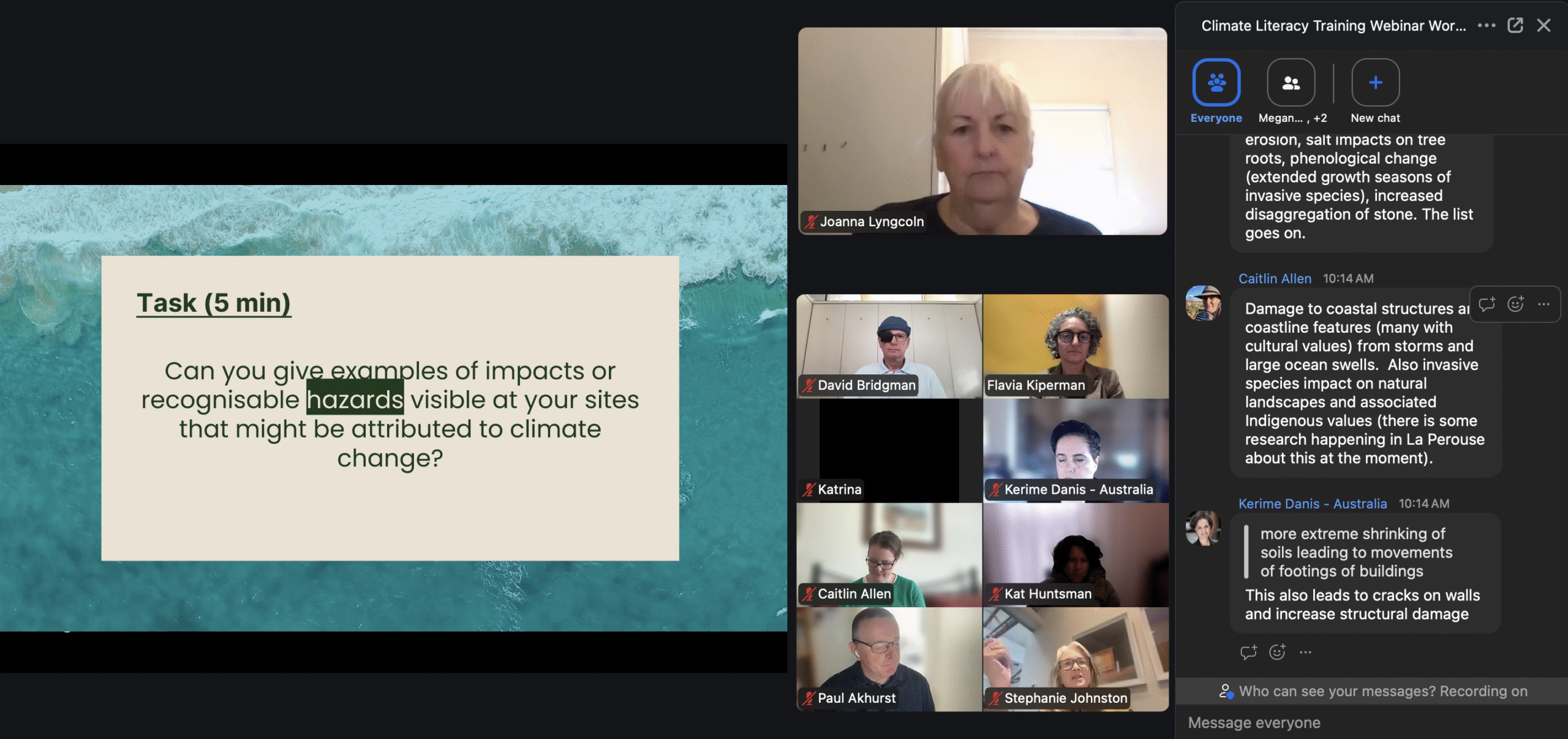
In Australia, the training took place entirely online to celebrate the International Day for Monuments and Sites, organised by ICOMOS Australia. The session was initiated by Stephanie Johnston and facilitated by trainer Flavia Kiperman. The online format made it accessible to participants across different regions of the country. Heritage professionals and practitioners based in Adelaide supported the initiative and facilitated discussions throughout the programme.
The online format encouraged active participation and created a valuable space for dialogue between heritage practitioners, researchers, and institutional representatives. Participants discussed current climate-related challenges affecting heritage places. They also shared experiences, tools, and strategies related to adaptation and risk management.
The Australian training strengthened collaboration within the heritage community. It fostered interdisciplinary dialogue and encouraged participants to consider how climate literacy can support long-term heritage conservation and sustainable practice.
Strengthening Climate Resilience Through Heritage
The Climate Literacy Trainings organised by ICOMOS Brazil and ICOMOS Australia involved close collaboration with the ICOMOS Climate Action Working Group (CAWG) and members of its task force for these trainings (Ave Paulus, Sarah Forgesson, William Megarry). They demonstrated the growing mobilisation of the ICOMOS network around climate action and heritage preservation. By promoting knowledge-sharing, professional development, and collaborative learning, these initiatives help build stronger and more inclusive responses to climate change within the cultural heritage sector.
As climate impacts continue to affect heritage sites and communities worldwide, climate literacy is becoming an essential tool for heritage professionals. Initiatives such as these trainings play an important role in equipping practitioners with the knowledge, networks, and approaches needed to protect cultural heritage and support sustainable and community-focused climate action.
These activities reinforce the importance of international cooperation within ICOMOS and underline the shared responsibility of the heritage sector in addressing the climate crisis through informed, inclusive, and locally responsive action.