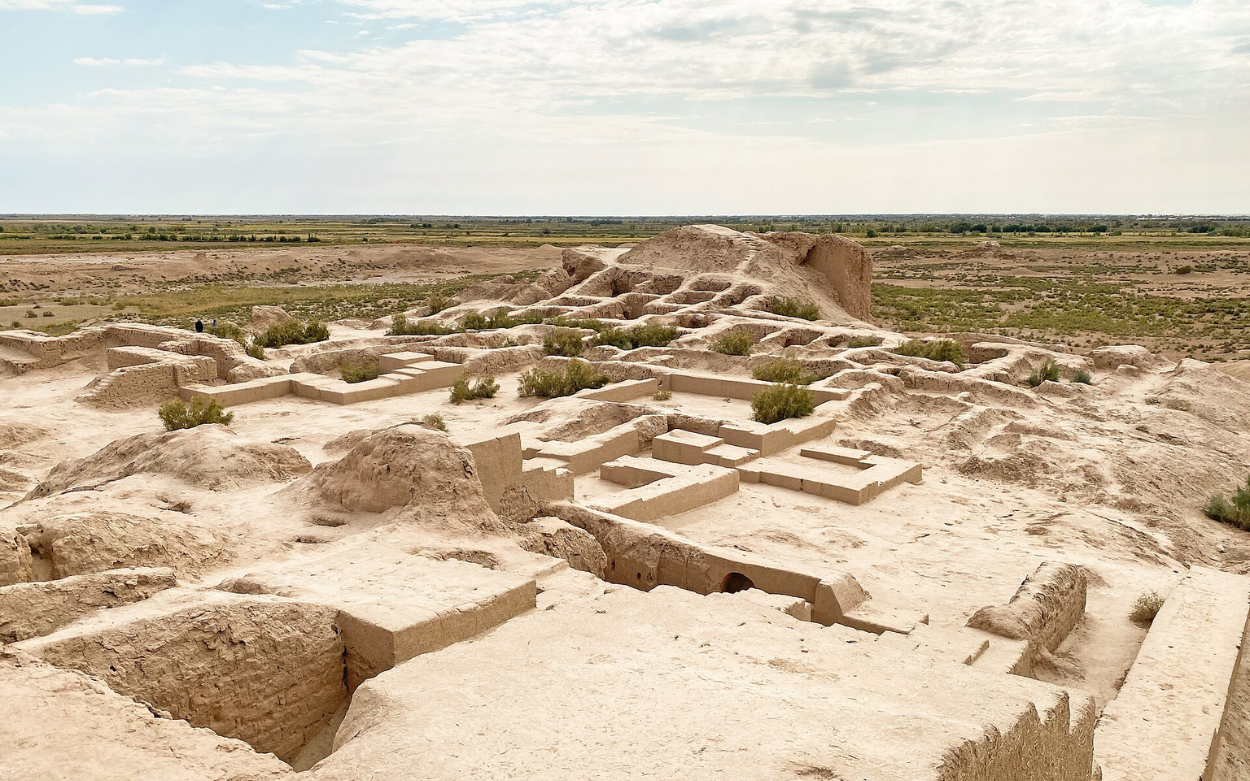
Cultural heritage across Central Asia is increasingly affected by climate change. Desertification, water scarcity, glacial retreat, and extreme heat now pose growing risks to both tangible and intangible heritage. As a result, these challenges highlight the need to strengthen climate literacy and build capacity among heritage professionals in the region.
In response, the International Council on Monuments and Sites (ICOMOS) is implementing a regional capacity-building programme on climate literacy for heritage professionals in Central Asia. The initiative aims to equip practitioners with the knowledge and tools needed to better understand climate impact, as well as support informed, context-sensitive responses.
ABOUT THE TRAINING
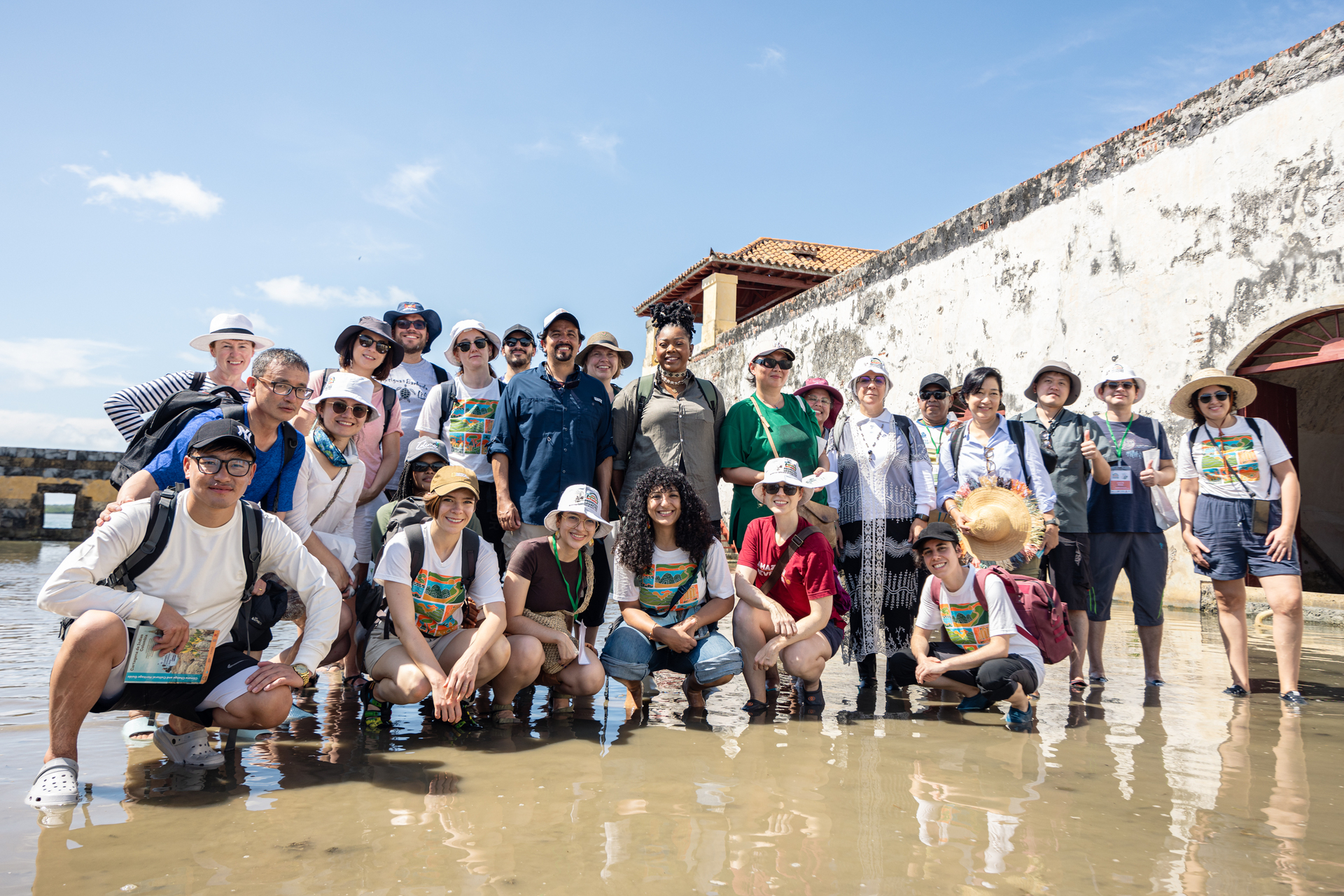
The programme will combine theoretical input with practical exercises and will be tailored to the Central Asian context, integrating regional knowledge and local perspectives. It will be centred on an in-person training session in Samarkand, Uzbekistan, in July 2026, followed by an online support session.
The training will bring together 15 heritage professionals working at the intersection of cultural heritage and climate change from Kazakhstan, Kyrgyzstan, Tajikistan, Turkmenistan, and Uzbekistan. The ICOMOS Climate Action Working Group (CAWG) developed the training within the ICOMOS-founded “Preserving Legacies project”. It aims to:
- build foundational climate knowledge
- introduce climate risk assessment tools
- support future trainers through a dedicated train-the-trainer module.
Moreover, to ensure regional relevance and accessibility, core training materials will also be translated into local languages.
The training will be in organized in collaboration with The International Institute for Central Asian Studies, The Uzbekistan Art and Culture Development Foundation, and UCL’s CAAL project, hence ensuring strong regional engagement.
Through this initiative, ICOMOS seeks to support a sustainable and scalable approach to heritage-based climate action in Central Asia. Thus, strengthening professionals’ ability to integrate climate considerations into their work and enhancing the resilience of cultural heritage across the region.
This project is being implemented thanks to the support of ALIPH and the European Union.