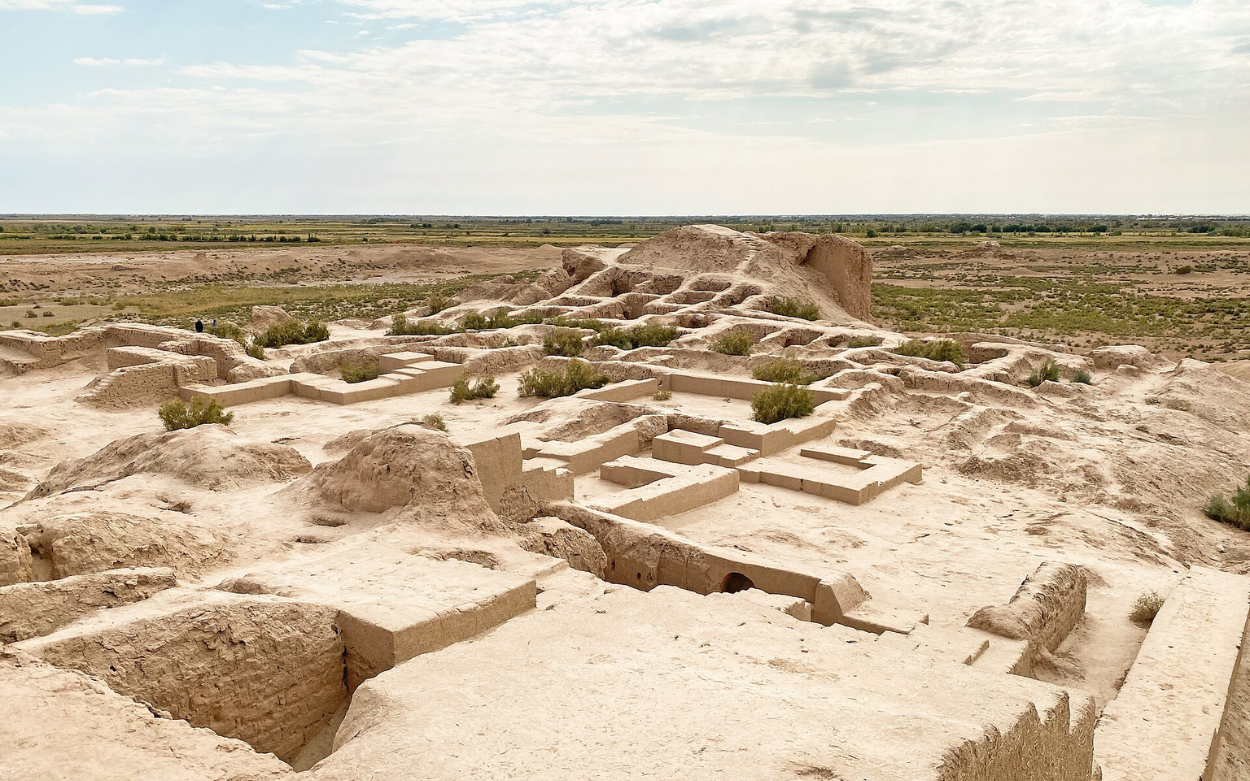
Building Climate Literacy: Regional Central Asia Training Concludes
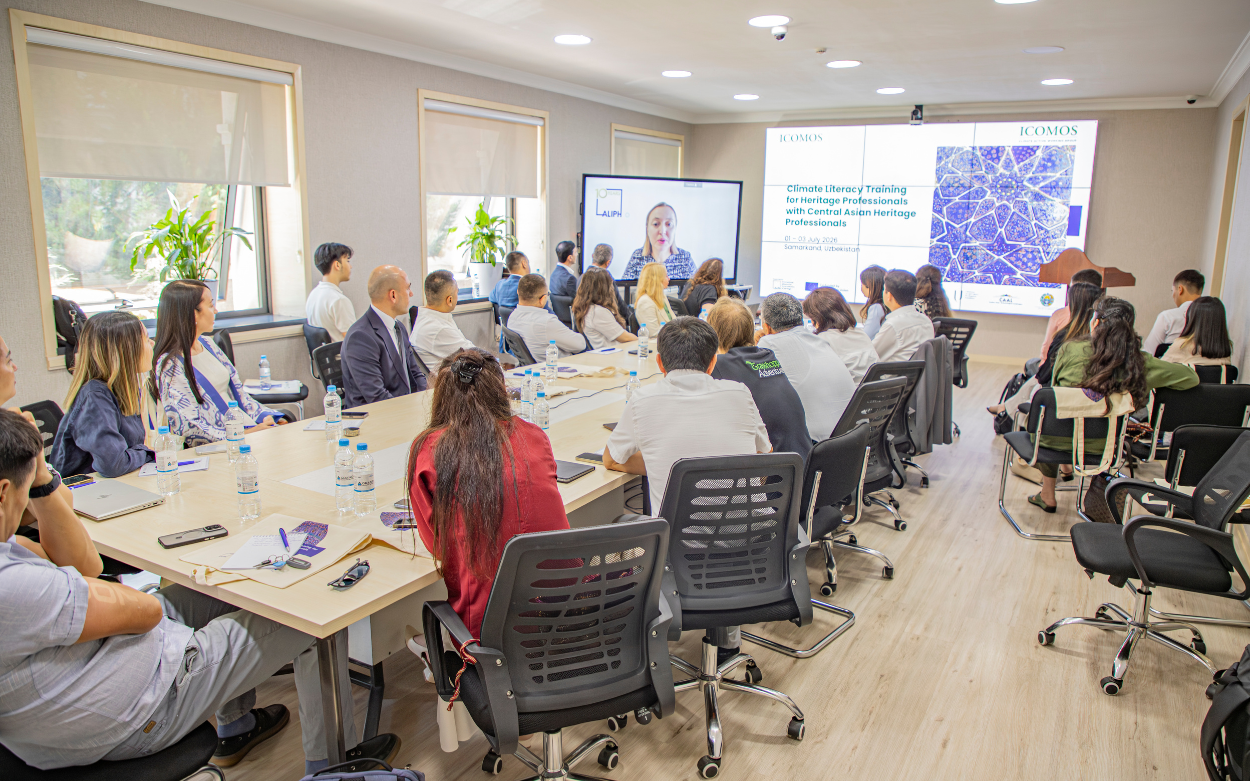
From 1 to 3 July 2026, Sarmakand (Uzbekistan) hosted the Climate Literacy Training for Heritage Professionals in Central Asia. Developed by the ICOMOS Climate Action Working Group (CAWG), this regional training brought together 21 heritage professionals from Kazakhstan, Kyrgyzstan, Tajikistan, Turkmenistan, and Uzbekistan.
From Climate Science to Practical Action
Climate change is increasingly affecting cultural heritage across Central Asia, both tangible and intangible.
In response to these challenges, ICOMOS launched a regional capacity-building programme to strengthen climate literacy among heritage professionals.
Organised in collaboration with international and regional partners, this three-day programme aimed to deepen participants’ understanding of climate change and its implications for cultural heritage. At the same time, it provided practical tools to support climate action across the heritage sector.
Three Days of Learning, Collaboration, and Field Experience
The training opened with welcome remarks from representatives of:
- ICOMOS
- ALIPH
- the National Commission of the Republic of Uzbekistan for UNESCO (on behalf of the Uzbekistan Art and Culture Development Foundation)
- the Cultural Heritage Agency of the Republic of Uzbekistan
- the International Institute for Central Asian Studies (IICAS)
- the Central Asian Archaeological Landscapes (CAAL) project.
The first day introduced the scientific foundations of climate change and examined its impacts on cultural heritage.
Through a series of interactive sessions led by Ave Paulus and Sarah Forgesson from the ICOMOS Climate Action Working Group, participants explored the links between climate science and heritage conservation. They then discussed carbon emissions as well as mitigation strategies that are relevant to the heritage sector.
Building on these foundations, the second training day focused on turning knowledge into action. Thus, participants explored ways to integrate climate resilience and adaptation into heritage management and conservation practices. In the afternoon, a Train-the-Trainer module encouraged collaborative group work and equipped participants with the methods and skills needed to deliver climate literacy training within their own organisations and communities.
On the final day, participants attended a session on digital documentation led by Gai Jorayev, from ICOMOS UK and the Central Asian Archaeological Landscapes (CAAL) project. The session highlighted the growing role of digital technologies in documenting and safeguarding cultural heritage.
Lastly, the programme concluded with a guided visit to several of Samarkand’s most iconic monuments, including Registan Square, the Bibi-Khanym Mosque, the Shakhi-Zinda Architectural Complex, and the Afrosiab Museum.
This field visit allowed participants to reflect on the themes explored throughout the training while experiencing first-hand the richness and diversity of Uzbekistan’s cultural heritage.
Turning Knowledge into Long-Term Action
The core training material of the ICOMOS Climate Literacy for Heritage Professionals was adapted and tailored to the Central Asian contexts and the climate threats – notably, by the ICOMOS group of trainers, also including William Megarry from the Climate Action Working Group.
By combining scientific knowledge, practical capacity building, and on-site learning, the Climate Literacy Training gave participants a comprehensive understanding of the challenges that climate change poses to cultural heritage.
Equally important, it strengthened regional cooperation and encouraged the exchange of knowledge and experiences among heritage professionals from across Central Asia.
As participants return to their respective institutions, they are now better equipped to:
- integrate climate considerations into conservation and management practices
- share their knowledge with colleagues, and
- promote climate-informed decision-making within the heritage sector.
Consequently, the complete set of training materials will be translated into Russian, Uzbek, Kazakh, Kyrgys, Tajik and Turkmen languages, allowing wide dissemination and transfer of the gained knowledge across the region.
Such trainings contribute not only to individual professional development, but also to building a stronger regional network committed to safeguarding Central Asia’s cultural heritage in the face of a changing climate.
This project is being implemented thanks to the support of ALIPH and the European Union.
Credits: IICAS, ACDF and Fariddun Kenjaev
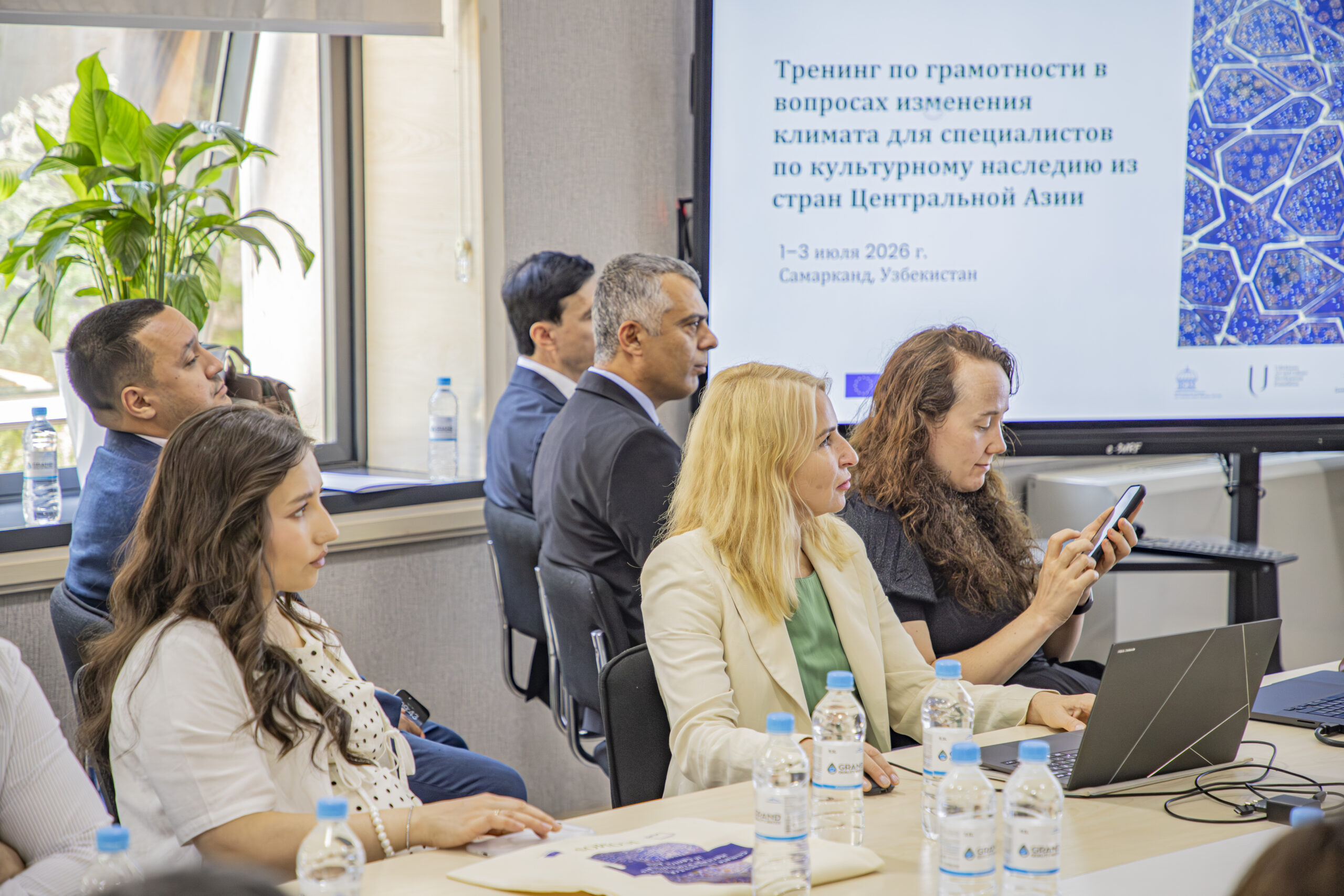
CAWG's Focal Point and President of ICOMOS Estonia, Ave Paulus (middle) and Sarah Forgesson (right), from CAWG/ICOMOS UK. 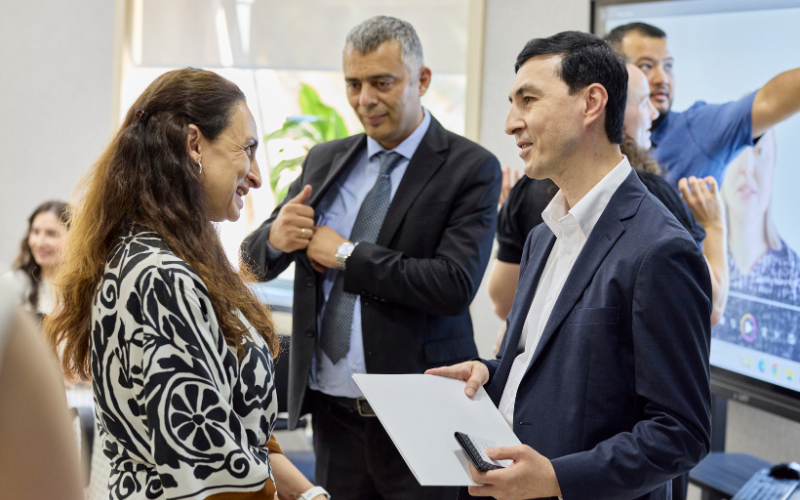
The Head of International Projects of ICOMOS, Kristina Biceva (left), talking to IICAS' Director Evren Rutbil (middle) and Otabek Gaipov (right), Secretary General of the National Commission for UNESCO of the Republic of Uzbekistan. 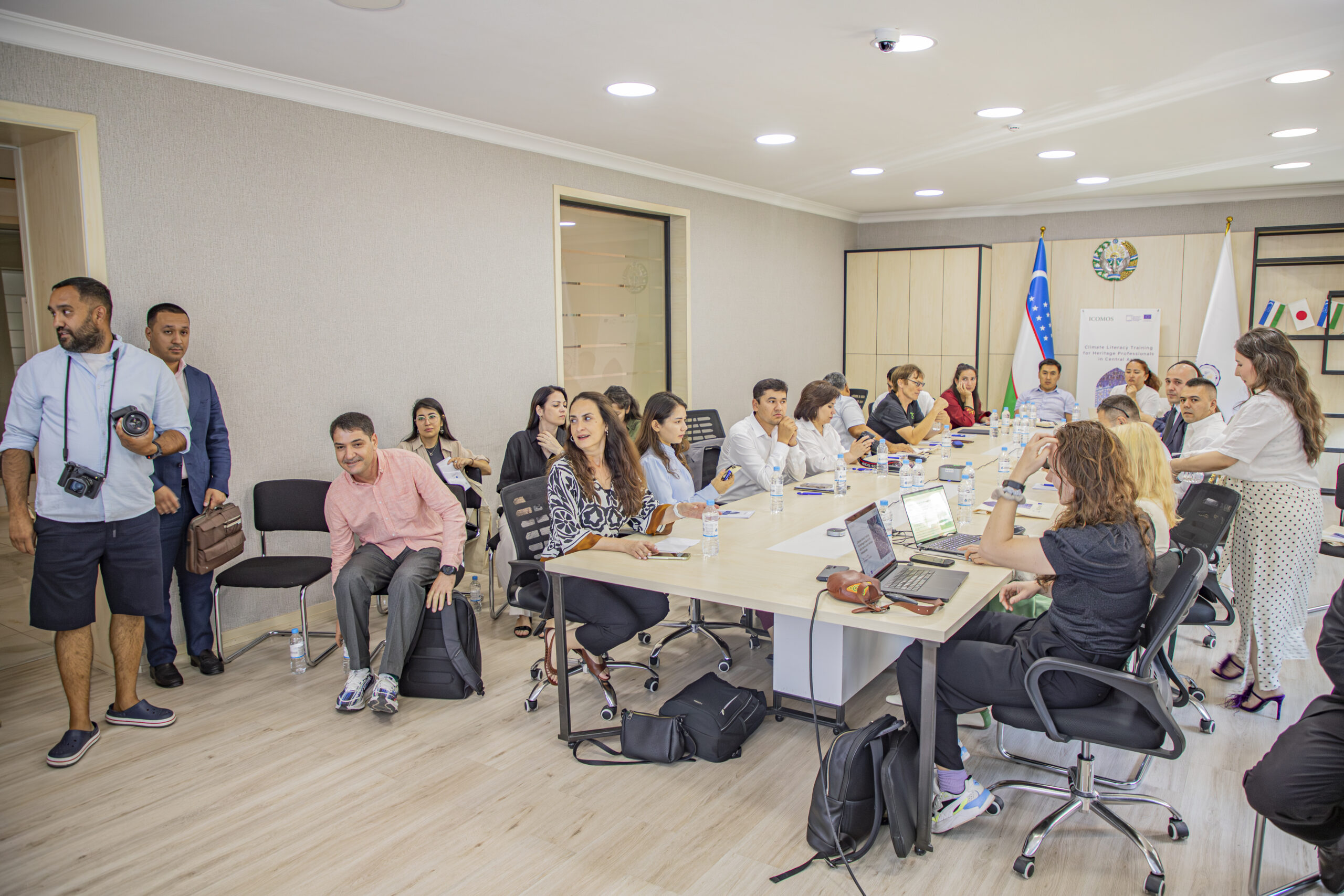
Participants on the first day of the training. 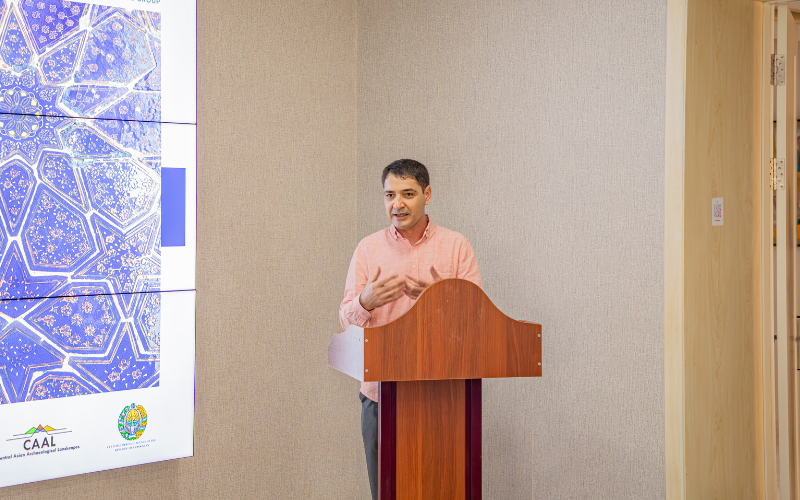
Gai Jorayev, representing ICOMOS UK and the Central Asian Archaeological Landscapes (CAAL) project. 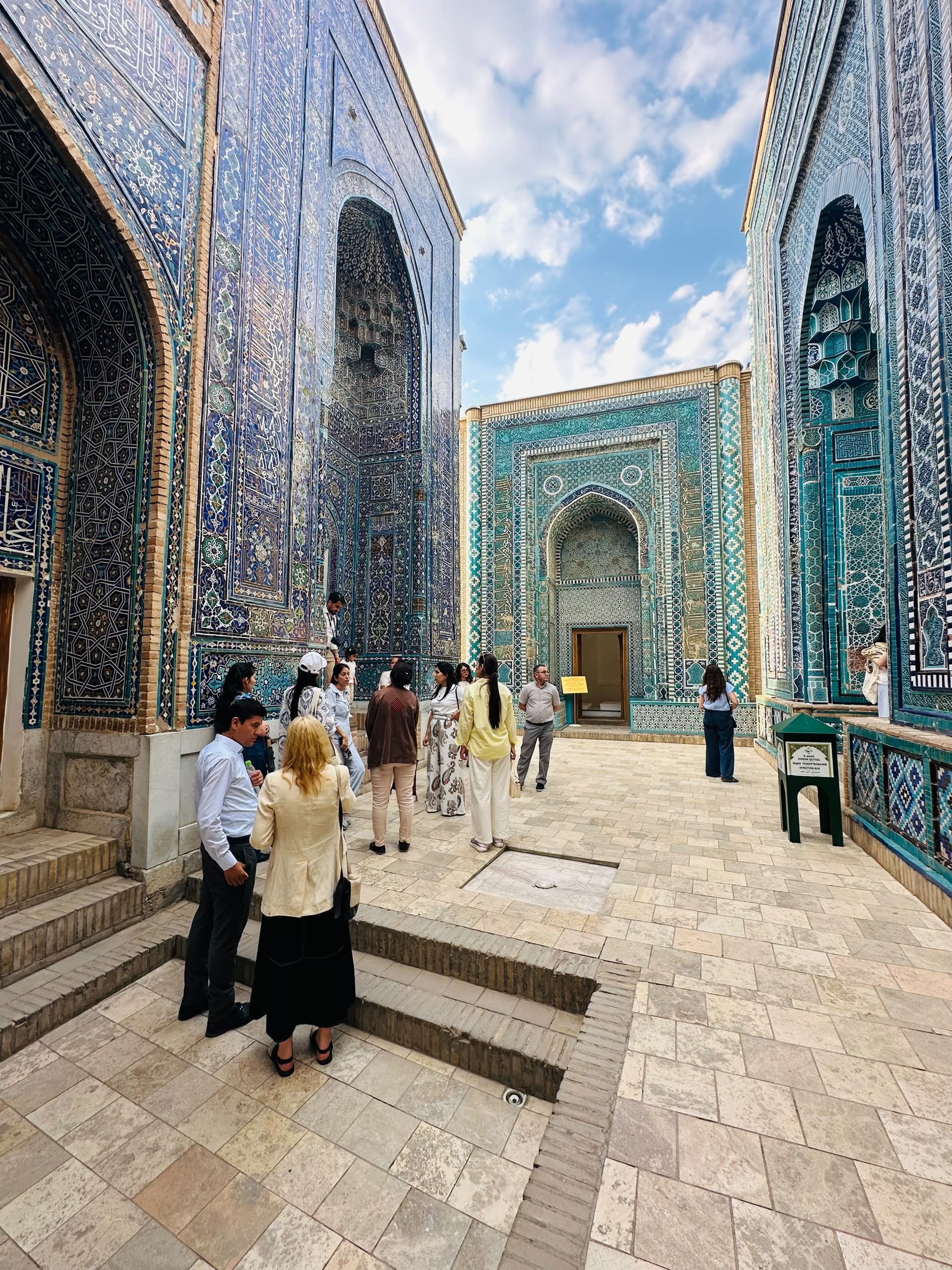
The Shakhi-Zinda Architectural Complex in Samarkand, Uzbekistan. 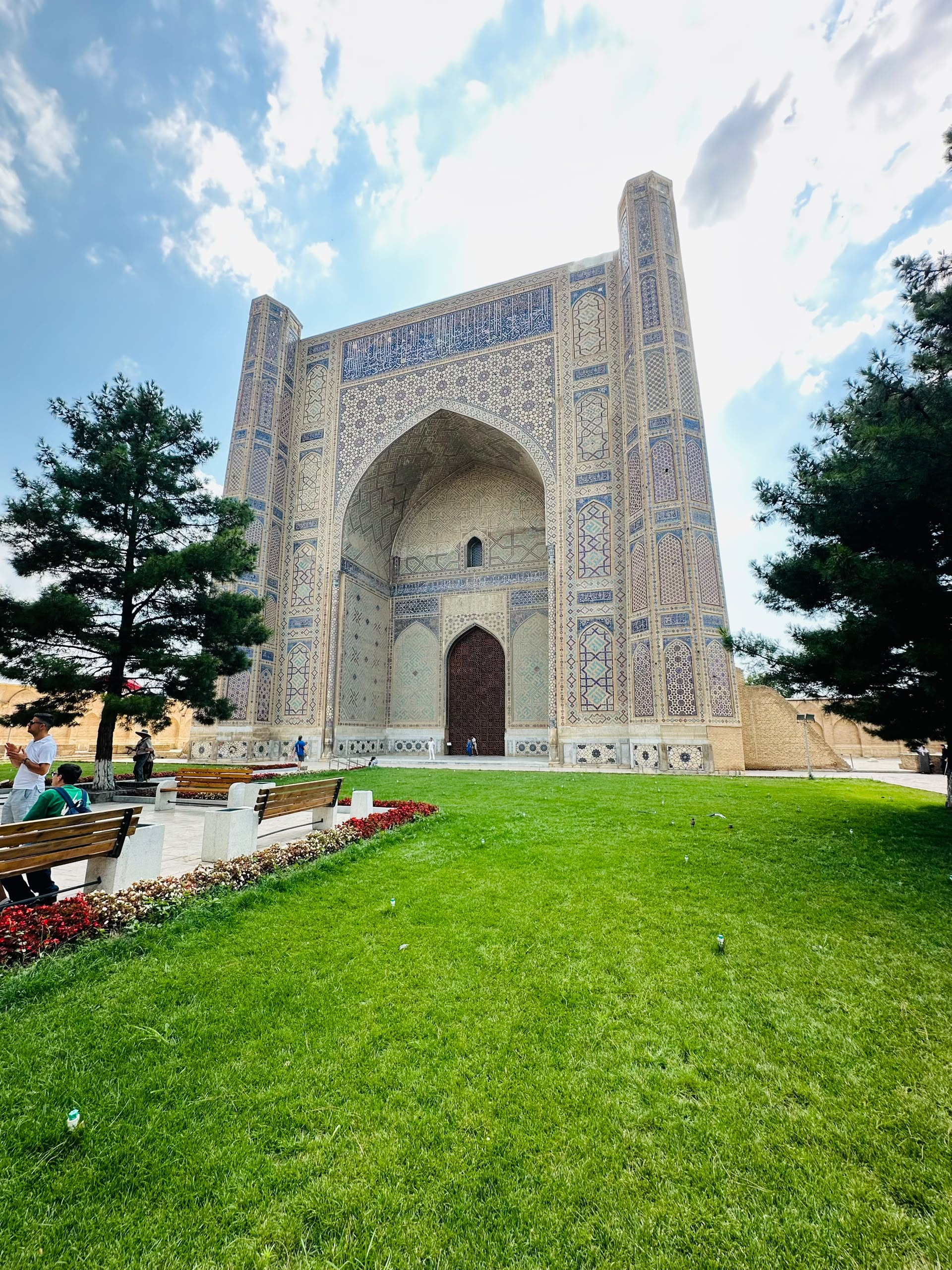
The Bibi-Khanym Mosque in Samarkand, Uzbekistan. 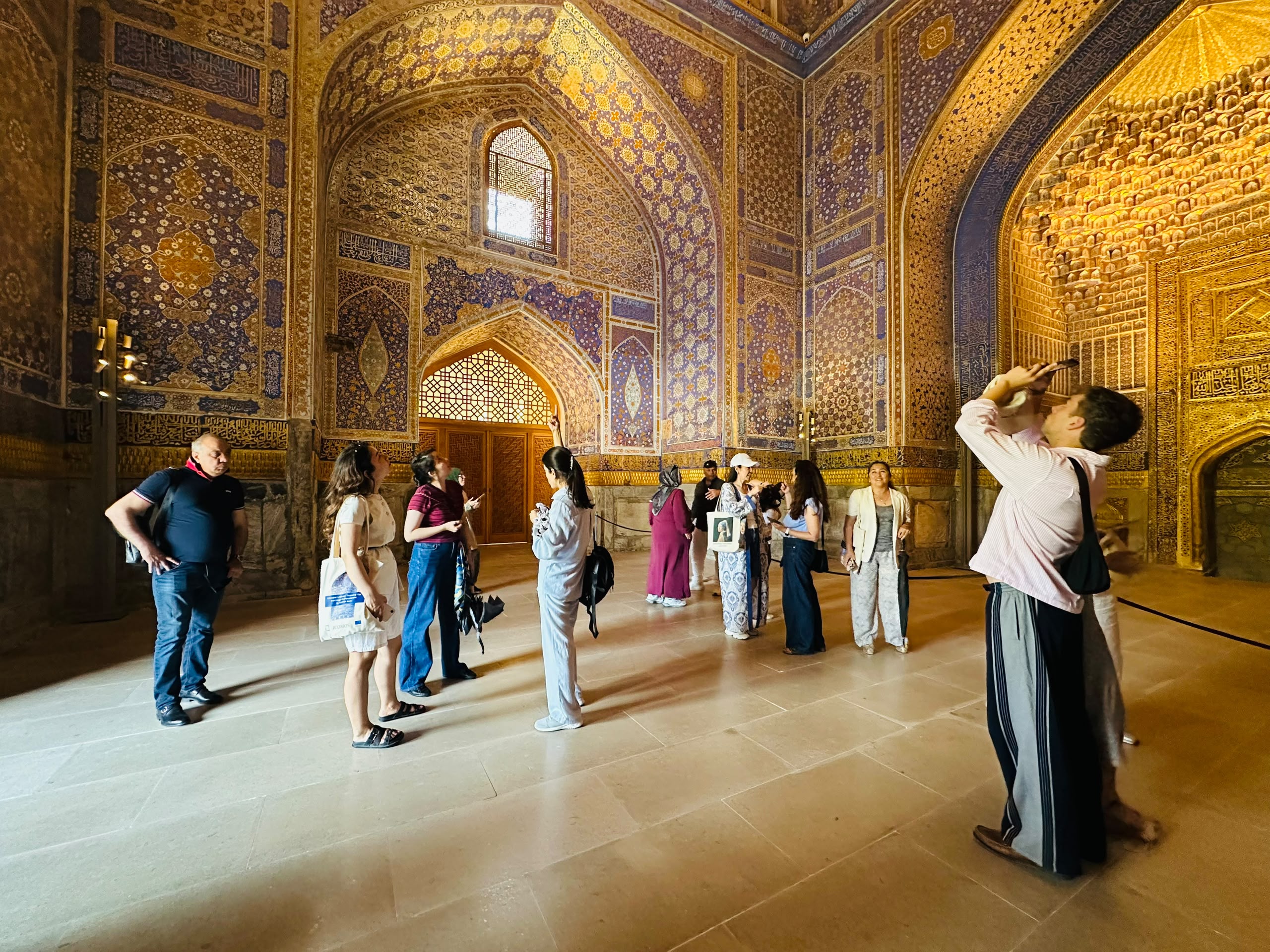
Inside the Bibi-Khanym Mosque. 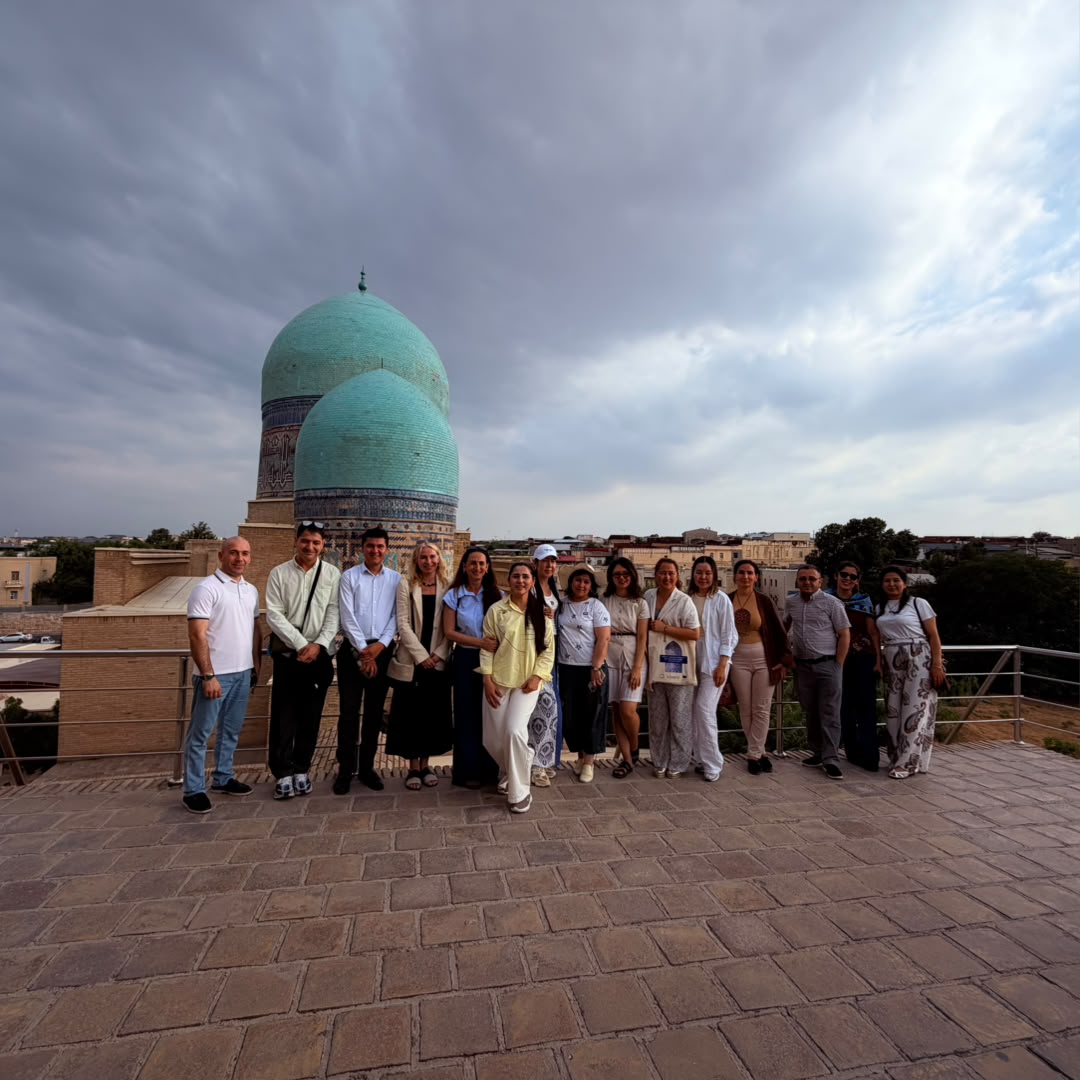
Participants posing in front of the Mosque's domes.