Conclusion of the ICOMOS Capacity-Building Training on Climate-Resilient Earthen Architecture in Africa
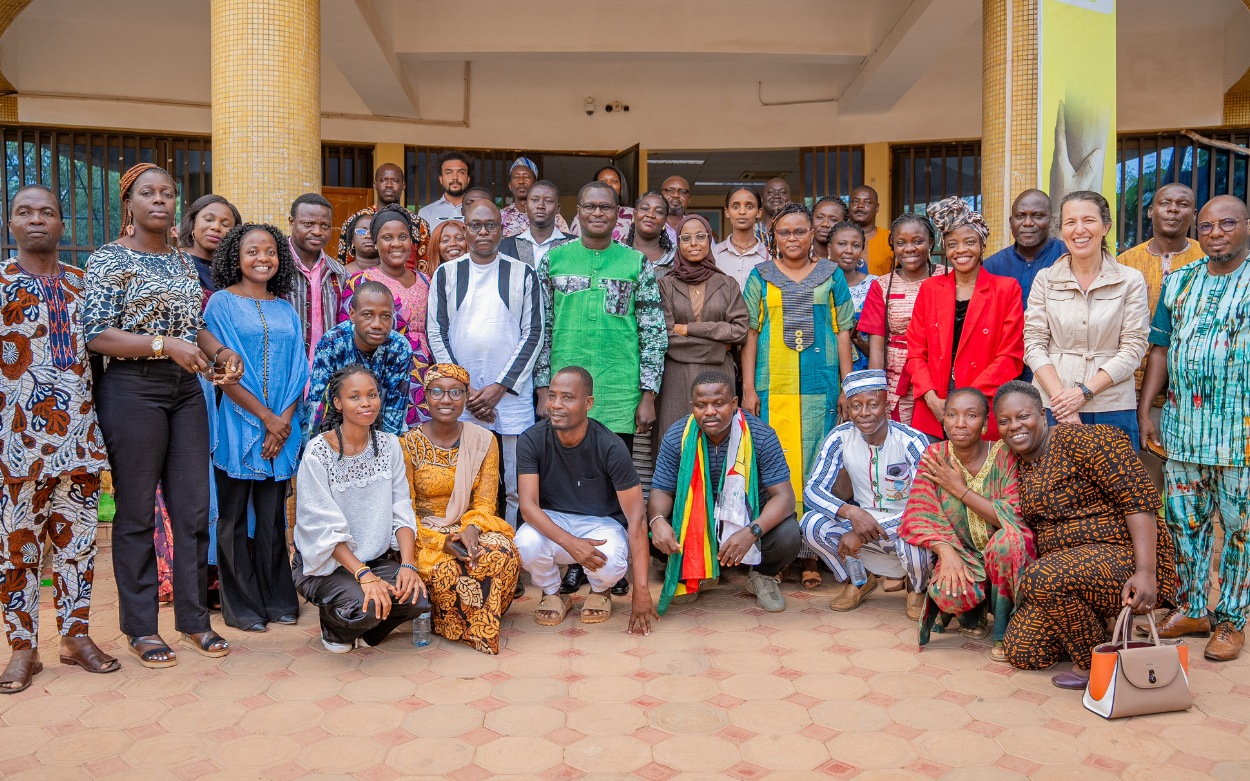
From 4 to 11 May 2026, ICOMOS, in collaboration with ICOMOS Burkina Faso and with the support of ALIPH, successfully held the “Capacity-Building Programme for Climate-Resilient Earthen Architecture in Africa” at the Royal Court of Tiébélé in Burkina Faso.
Bringing together 25 early and mid-career heritage professionals from 16 African countries, the regional training programme addressed one of the most pressing challenges facing cultural heritage today: the impact of climate change on earthen architectural heritage across Africa.
Strengthening African Expertise for Climate-Resilient Heritage Conservation
Across the African continent, earthen architectural heritage is increasingly threatened by floods, droughts, storms, erosion, and long-term environmental degradation. These climate-related pressures accelerate the deterioration of historic structures and directly affect the communities that maintain and inhabit them.
Hosted at the Royal Court of Tiébélé, inscribed on the UNESCO World Heritage List, the training programme provided participants with both theoretical and practical tools to better assess, prevent, and respond to climate risks affecting earthen heritage sites.
Throughout the eight-day programme, participants engaged in bilingual English-French sessions combining:
- heritage conservation methodologies,
- climate risk assessment,
- emergency preparedness and disaster response,
- field-based exercises,
- site observation and documentation,
- and exchanges on local knowledge systems and traditional earthen construction techniques.
Tiébélé as a Living Laboratory
The Royal Court of Tiébélé served as a unique learning environment where participants could directly engage with the realities of conserving earthen architecture under climate pressure.
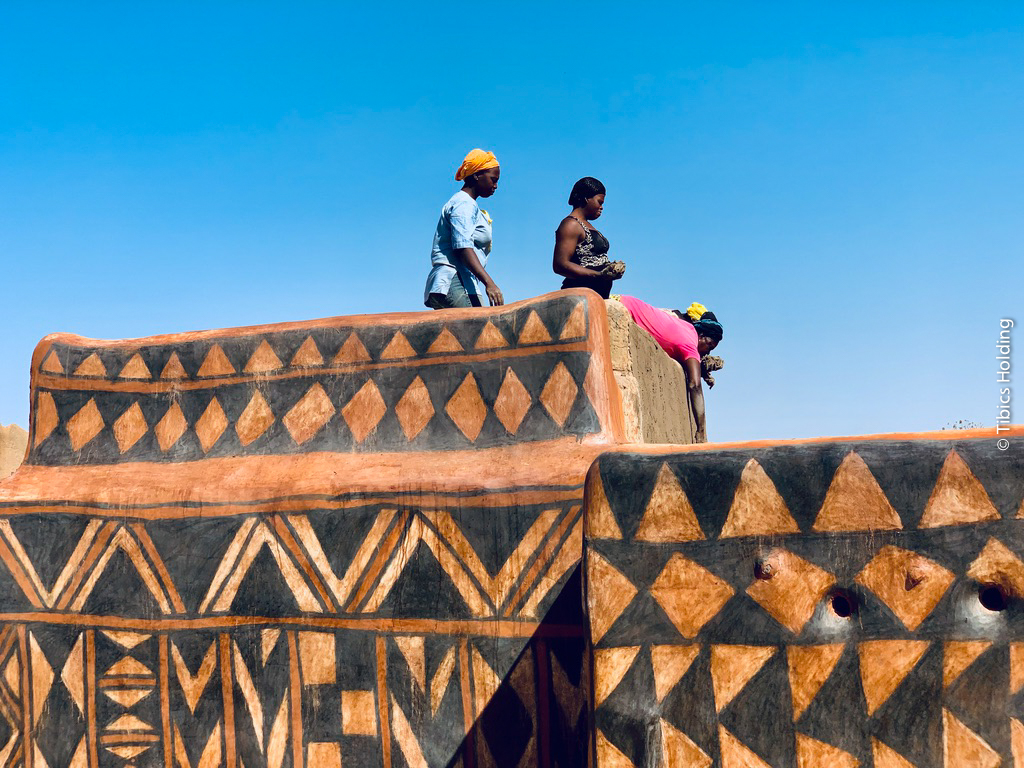
Known for its Kassena mural painting traditions and distinctive earthen compounds, the site offered practical case studies closely connected to local communities and living heritage practices.
The programme placed particular emphasis on integrating traditional knowledge into climate adaptation strategies. Participants exchanged with local stakeholders, craftspeople, and community representatives to better understand the social, cultural, and environmental dimensions of conservation work in Tiébélé.
Field activities and hands-on exercises enabled participants to apply conservation principles directly on site, reinforcing the importance of locally grounded and sustainable approaches to heritage protection.
Regional Collaboration and Knowledge Sharing
One of the programme’s key objectives was to foster stronger regional cooperation among African heritage professionals working in the fields of conservation, climate adaptation, disaster risk management, and earthen architecture.
The training mobilised a wide network of expertise through ICOMOS scientific committees and working groups, including contributions from members of the International Scientific Committee on Earthen Architectural Heritage (ISCEAH) and the ICOMOS Climate Action Working Group (CAWG). Participants have also met two important figures: Mrs. Kayè Tintana, recognised by the Burkinabè Ministry of Culture and Tourism as a “Living Human Treasure”, as well as Mr Pingdwendé Gilbert Ouedraogo, Minister of Communication, Culture, Arts and Tourism of Burkina Faso.
By bringing together participants from diverse professional and geographic backgrounds, the programme encouraged peer learning, interdisciplinary dialogue, and long-term collaboration between institutions, practitioners, researchers, and local actors across the continent.
Building Long-Term Resilience for African Heritage
The completion of the training marks an important step in strengthening African capacities for climate-resilient heritage conservation. Participants are expected to reinvest the methodologies, tools, and experiences acquired during the programme within their institutions and professional networks, contributing to the broader protection of earthen heritage across Africa.
The initiative also reflects the continued commitment of ICOMOS and its partners to supporting locally rooted, community-informed, and sustainable approaches to climate action in the heritage sector.
As climate change continues to threaten cultural heritage worldwide, programmes such as this one highlight the essential role of knowledge-sharing, regional cooperation, and traditional building practices in safeguarding Africa’s living heritage for future generations.