Launch of the Capacity Building Programme for Climate-Resilient Earthen Architecture in Africa
Related events
See all eventsAfrica’s rich cultural heritage is increasingly threatened by climate change, with floods, storms, droughts, and erosion posing significant risks to built heritage, particularly earthen architecture. Heritage professionals urgently need to take sustainable, concrete and effective measures to cope with, or even prevent, the effects of climate change on their heritage.
Empowering African Heritage Professionals to Face Climate Challenges
Climate variability causes gradual yet harmful effects on materials, accelerating their deterioration over time. Many heritage sites in Africa, especially those built with earth, are confronted with the absence of well-defined conservation policies and preventive risk management strategies, thus making them particularly susceptible to irreversible damage. These impacts extend beyond the heritage assets themselves, affecting local communities that rely on them culturally, economically, spiritually, and socially.
To address these challenges, ICOMOS, with the support of ALIPH, is launching a capacity-building programme for young and mid-career cultural heritage professionals. It is aimed at fostering sustainable knowledge transfer with regional impact. Given the complex relationship between climate change and heritage conservation, the programme will include a training course addressing interconnected issues central to the challenges climate change poses for the conservation of earthen architecture sites.
Training Structure and Collaboration with the ICOMOS Network
The programme will focus on the complex relationship between climate change and heritage conservation through a specialized training course addressing key technical, environmental, and risk-preparedness issues. The training will be hosted at the Royal Court of Tiébélé in Burkina Faso, a recently designated World Heritage Site that is particularly exposed to climate-related threats such as flooding and drought. Chosen for its relevance and vulnerability, the site will serve as a living laboratory for applied learning.
Designed with a regional scope, the programme responds directly to needs expressed by ICOMOS National Committees and local partners across Africa. ICOMOS will leverage its long-established, locally rooted networks, including national committees in over fifteen African countries. The Burkina Faso National Committee will be playing a central coordinating role. The initiative will also mobilize international expertise through ICOMOS scientific committees and working groups, such as the International Scientific Committee on Earthen Architectural Heritage (ISCEAH).
February Preparatory Mission in Tiébélé
Goal of the preparatory mission
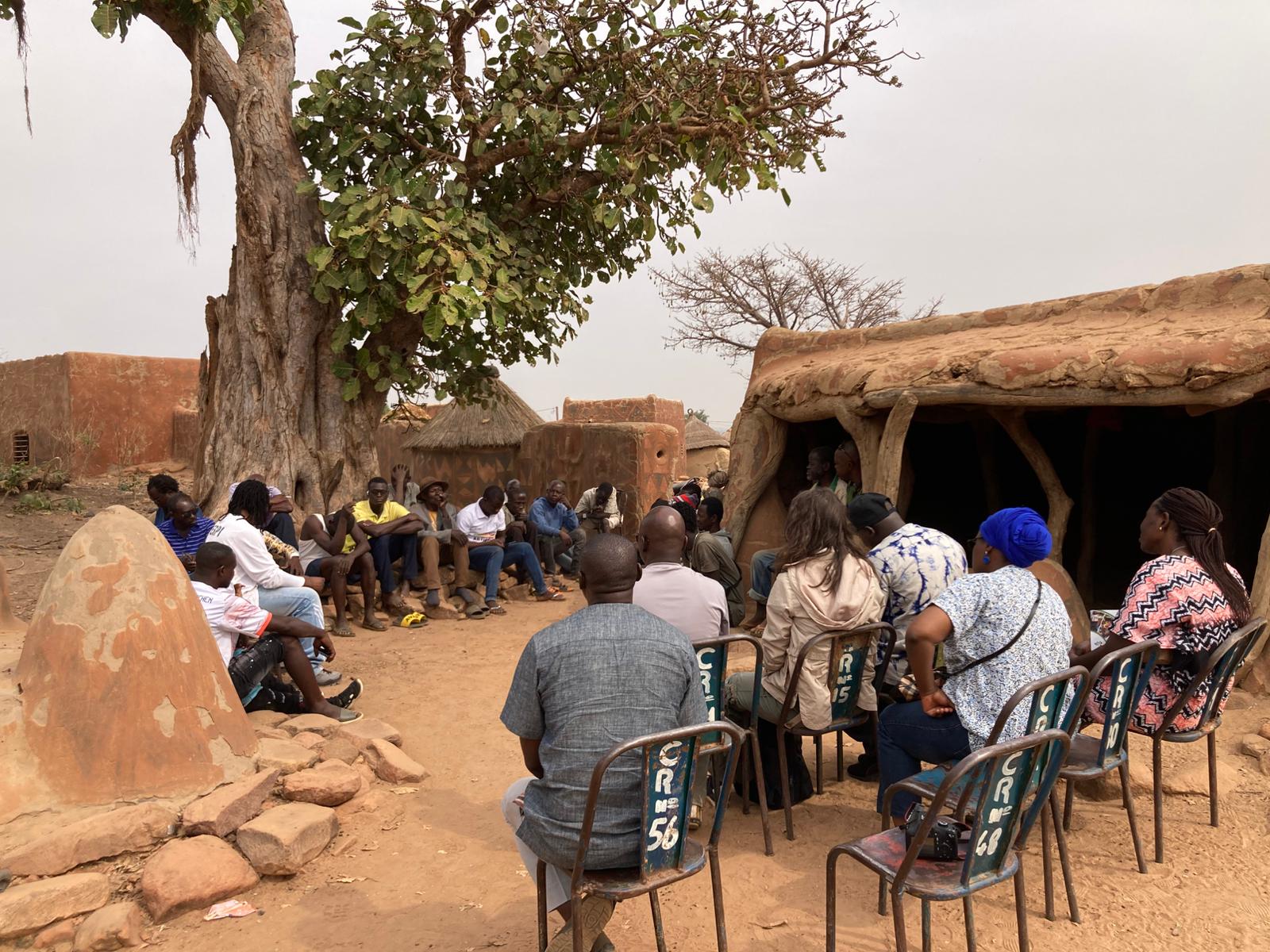
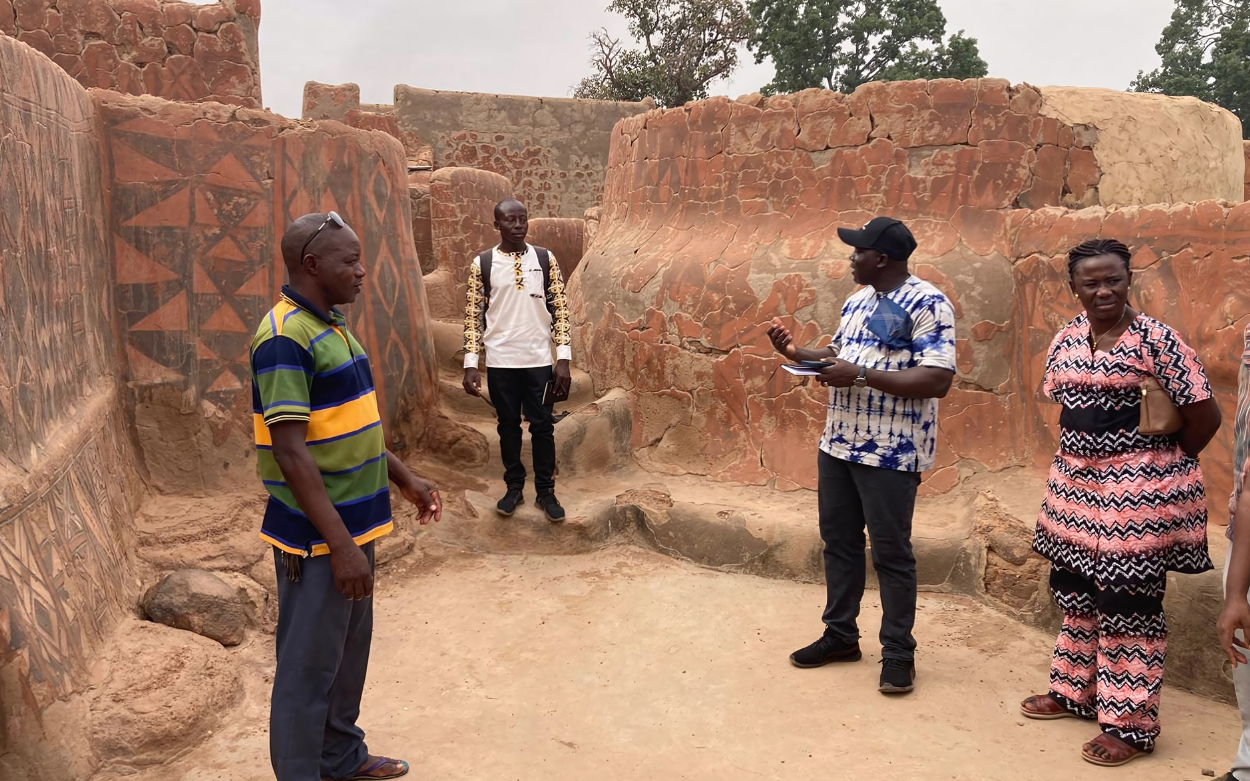
Prior to the training course, the international and national experts carried out a preparatory mission in order to design training content specifically adapted to local issues. During this preliminary mission, the team met with local stakeholders and authorities, conducted site visits and field assessments, identified priority case studies, and evaluated logistical and technical needs.
One international and two local trainers, in collaboration with experts from ICOMOS Burkina Faso, identified fieldwork sites and specific needs to ensure locally anchored content. The mission started on 2 February in Ouagadougou and continued in the afternoon in Tiébélé through 6 February.
Programme of the preparatory mission
The preparatory mission brought together Mariana Correia (expert member ICOMOS ISCEAH – International Scientific Committee on Earthen Architectural Heritage), Bély Hermann Niango (President of ICOMOS Burkina Faso), and Haoua Cissé (Treasurer of ICOMOS Burkina Faso). The team also featured Sayouba Tiemtoré, Clara Sawadogo and Ibrahim Tchan, experts in earthen architecture from Burkina Faso and Benin.
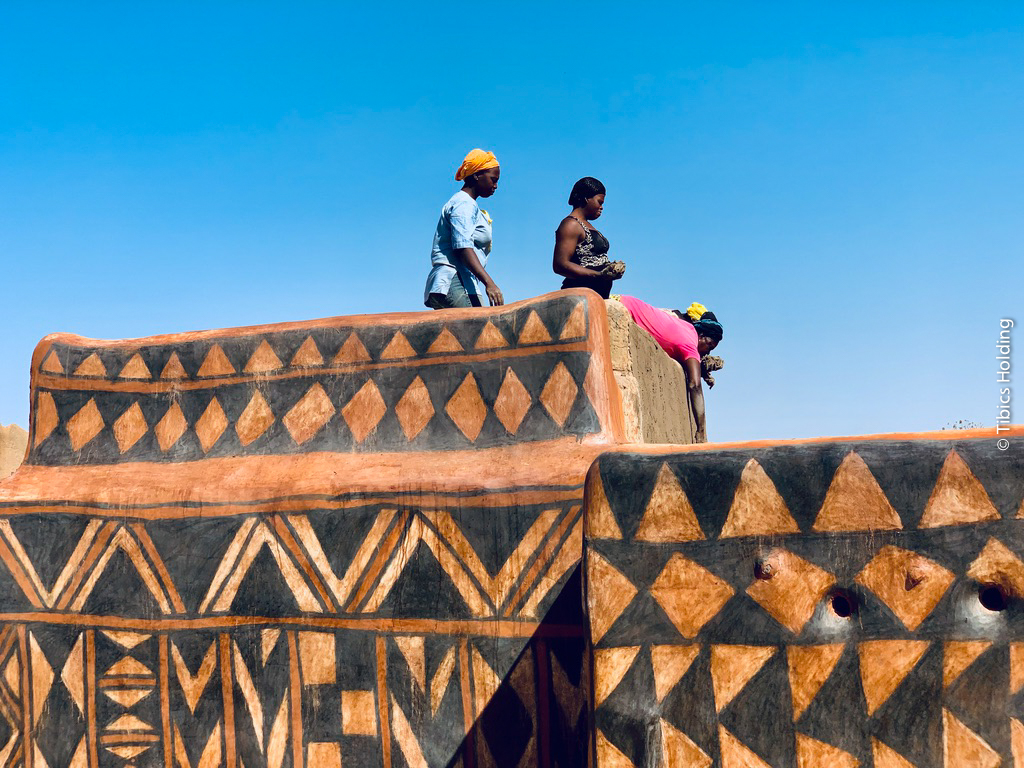
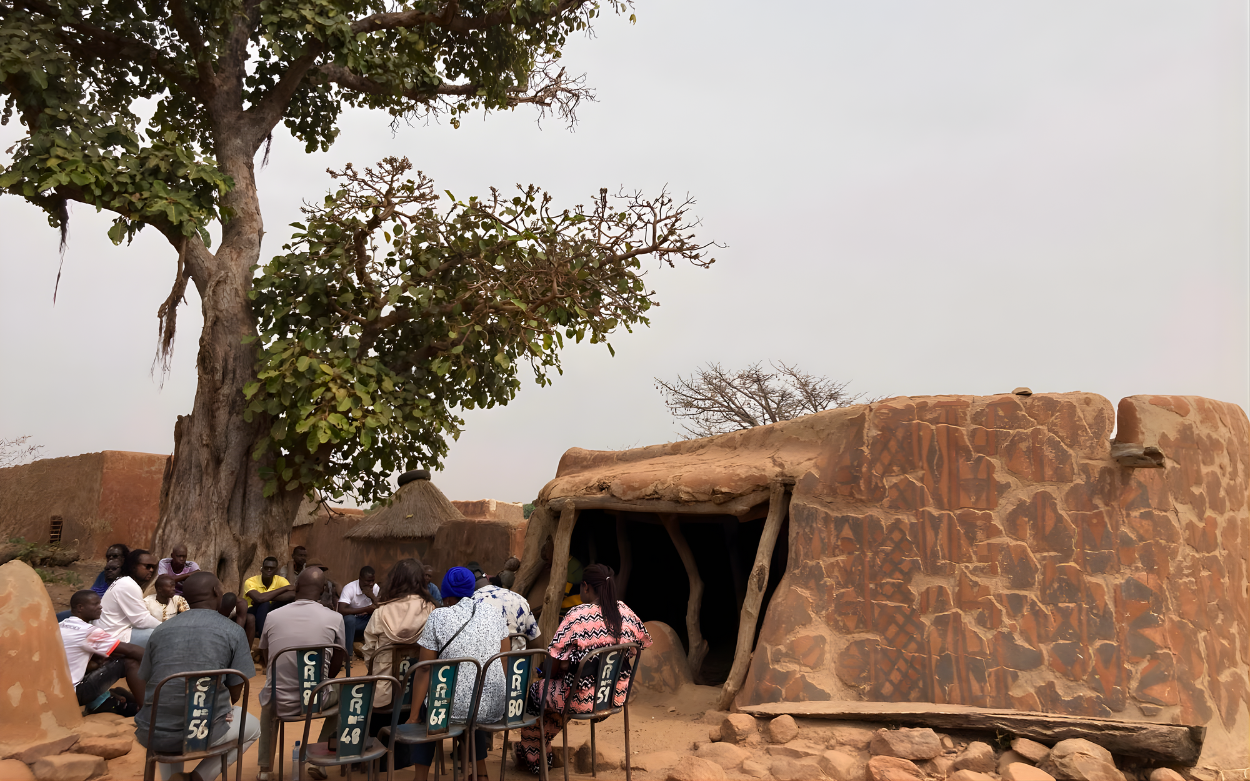
The mission engaged with both administrative and traditional authorities, including the Governor of the Nazinon Region in Manga, the President of the Special Delegation of the Municipality of Tiébélé, as well as the regent and princes of the Royal Court of Tiébélé – one of whom, Prince Badawè Richard Akouabou, serves as the project’s local coordinator. Experts visited the Royal Court and its buffer zone, allowing them to observe local social practices, architectural organisation and mural decoration cycles. Exchanges with community members focused on traditional knowledge, materials, along with the effects of climate change on the site and associated practices.
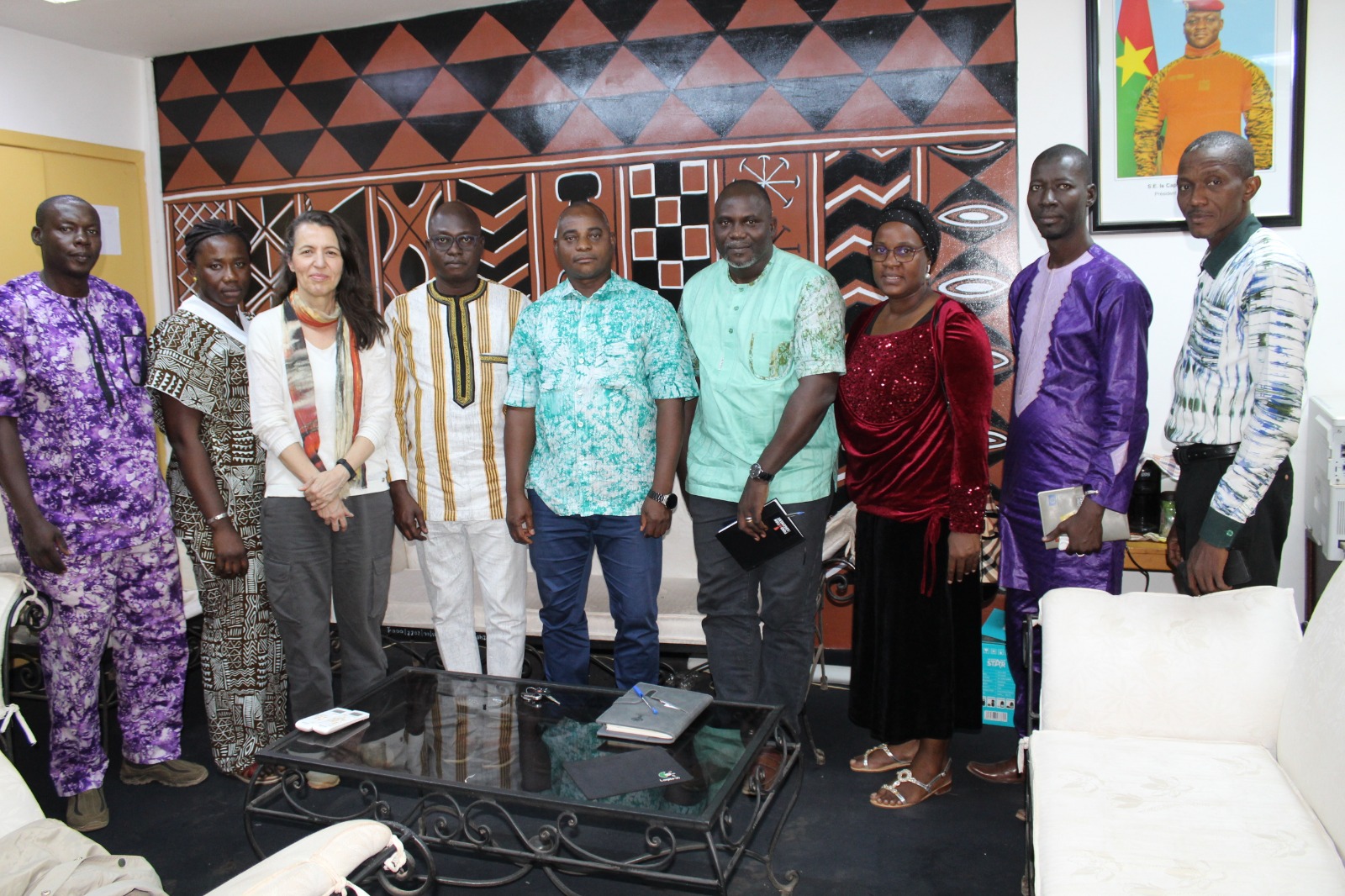
Kassena mural painting traditions received particular attention, notably through a meeting with Mrs. Kayè Tintana. Recognised by the Burkinabè Ministry of Culture and Tourism as a “Living Human Treasure”, Mrs Tintana is also a resident of the Royal Court. The mission later concluded with a meeting at the Ministry of Culture.
Call for African Heritage Professionals to Participate in the Capacity Building Programme
A call for participants will be issued in mid-February 2026.
Candidates must be early- and mid-career professionals from Africa and involved in the conservation of earthen built heritage. They must demonstrate 3 years of professional experience in earthen architecture, heritage, climate change and disaster risk management. Candidates must show genuine motivation to enhance their skills, and the ability to reinvest the training outcomes into their professional practice.
All eligible applicants are welcome, regardless of their nationality, gender, or disability status. Women and individuals from underrepresented groups are strongly encouraged to apply.