ICOMOS Contributes to Human Rights Council Report on Nature Conservation and Cultural Rights
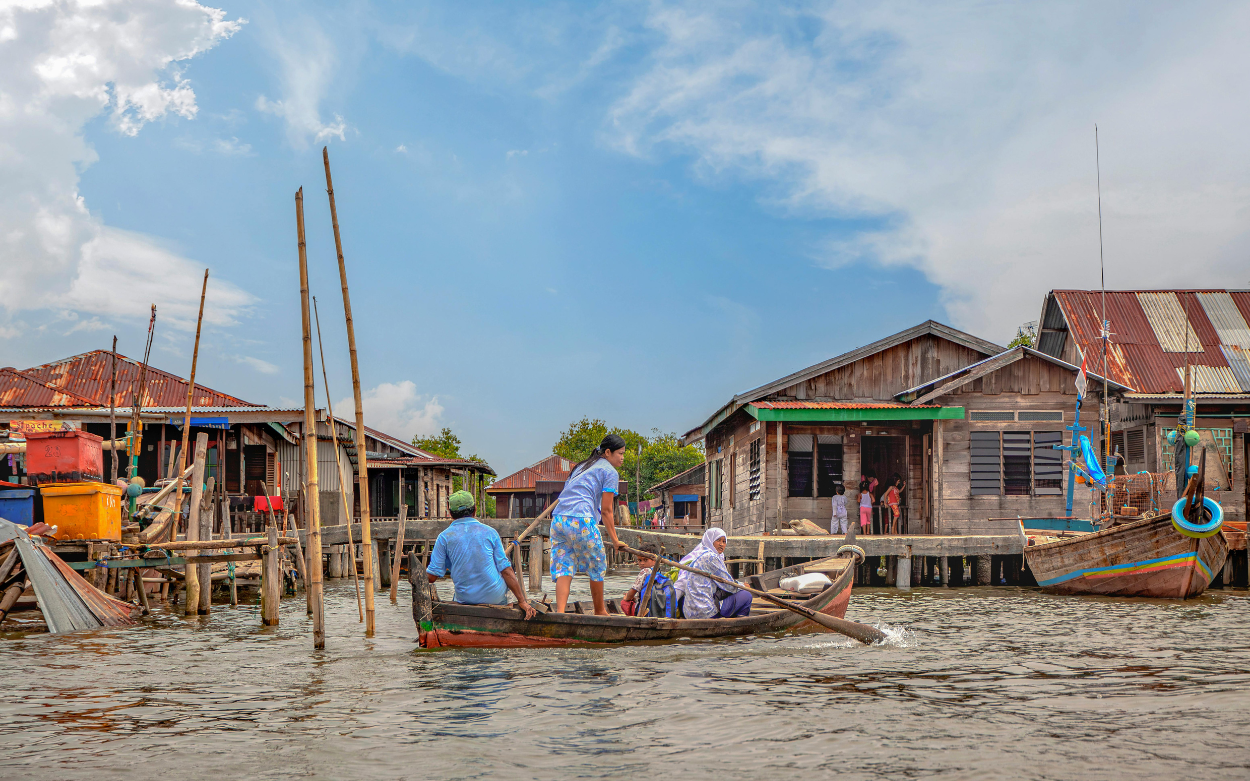
In November 2025, ICOMOS submitted its response to the United Nations Special Rapporteur in the field of cultural rights’ call for contributions on nature conservation and cultural rights. Drawing on examples from its global membership across Spain, Palestine, Brazil, Australia, India, Indonesia, Norway, and beyond, ICOMOS addressed 12 key questions.
Background and Aims of the Report on Nature Conservation and Cultural Rights
In preparation for her report to the Human Rights Council in March 2026, the UN Special Rapporteur in the field of cultural rights, Alexandra Xanthaki, issued a call for inputs. She invited contributions from States, United Nations agencies, national human rights institutions, academics, cultural workers, practitioners, and civil society organisations.
Through its Working Groups on rights-based approaches (OCD-RBA WG) and Indigenous heritage (IHWG), as well as its International Scientific Committee on Cultural Landscapes (ISCCL-IFLA), ICOMOS responded to the call. The organisation shared insights on the relationship between nature conservation and cultural rights.
The report highlights the mutual importance of cultural rights and nature conservation. It explains how cultural rights can strengthen existing conservation frameworks. At the same time, it examines situations in which conservation policies may risk infringing on those rights.
Furthermore, the report explores when limits on either conservation goals or cultural rights may be justified under international human rights law. Particular attention is given to communities most affected by conservation policies and to the role of key stakeholders.
Summary of ICOMOS’ input
- Cultural beliefs and practices supporting nature conservation
Many cultural traditions strengthen the relationship between communities and nature. Seasonal festivals, traditional harvests, olive picking, and rain prayers all reinforce this connection. In addition, forms of intangible cultural heritage help communities maintain long-standing ecological knowledge. - Natural elements tied to heritage and identity
Across the world, communities maintain strong relationships with natural environments that shape their identity. For instance, landscapes in Spain (including national parks and World Heritage Sites) hold deep cultural meaning. Similarly, olive trees and sacred landscapes in Palestine remain central to local heritage and collective memory. - Beliefs and practices that impede conservation
Some structural dynamics can undermine conservation efforts: GDP-driven development models and short-term economic thinking often encourage unsustainable resource extraction. As a result, biodiversity and cultural landscapes may suffer. - Successful integration of traditional knowledge in conservation
Some initiatives demonstrate how traditional knowledge can strengthen conservation strategies. In Bali, the Banjar community system supports local governance and sustainable resource management. Similarly, Spain has revived traditional irrigation practices in several regions. These initiatives improved environmental sustainability while reinforcing local social cohesion. - Conservation projects that failed communities
Not all conservation initiatives achieve positive results. In some Spanish regions, nature protection policies have weakened traditional farming livelihoods. Consequently, local communities sometimes perceive protected areas as barriers to development rather than shared assets. - Human rights measures within the Kunming-Montreal Biodiversity Framework
Some initiatives show how biodiversity policies can integrate human rights considerations.
For example, Spain has introduced land stewardship agreements that involve local stakeholders in conservation. In Brazil, participatory conservation initiatives have also strengthened rights-based environmental management within the Kunming-Montreal Global Biodiversity Framework. - Human rights challenges linked to biodiversity loss
Tensions can arise between environmental protection and economic interests. Industrial development projects may conflict with community rights and ecological priorities. A proposed pulp mill in Galicia, Spain, illustrates this challenge. The project raised concerns about both environmental damage and the protection of local cultural rights. - Documentation of traditional knowledge
Documenting traditional knowledge can support biodiversity protection.
In India, the NGO Sahjeevan works with pastoralist communities in the Kachchh region. Together, they have recorded hundreds of traditional medicinal treatments and created biodiversity knowledge repositories. - Free, prior and informed consent
Legal recognition of Indigenous custodianship also plays an important role in conservation.
For instance, Australia adopted the Yarra River Protection Act, which recognises the river as a living entity. The law also affirms Indigenous custodianship and promotes participatory environmental governance. - Role of NGOs, IGOs, and donors
International organisations can influence conservation outcomes in different ways. In Brazil, some initiatives have supported Indigenous communities, while others have restricted local autonomy.
Ultimately, results depend on whether projects genuinely centre Indigenous cultural rights during their design and implementation. - Cultural rights in carbon markets
Carbon market initiatives can also support community-led conservation. Brazil’s Suruí Forest Carbon Project, initiated by the Indigenous Paiter-Suruí people themselves, was presented as a best-practice example of community-led carbon offsetting that respects cultural autonomy.
Additional Recommendations
The report also refers to the landmark Fosen case in Norway. In this case, the Supreme Court ruled that wind farm licences violated the reindeer-herding rights of the Sámi people.
This decision highlights an important principle. Even in the context of green energy development, governments must respect Indigenous and cultural rights.
Recordings of the Interactive Dialogue with the Special Rapporteur on Cultural Rights
Part 1
Part 2