ICOMOS Statement on the Protection of Cultural Heritage in the Context of the Escalation of Conflict in the Middle East
Following its statement of 3 March 2026, ICOMOS reiterates its deep concern regarding the recent escalation of conflict in the Middle East and its devastating human consequences.
Risk of irreversible loss of cultural heritage
ICOMOS expresses its profound regret at the loss of life, the growing number of casualties, and displacement of populations in parts of the region, with serious implications for cultural continuity.
ICOMOS strongly condemns any destruction – whether intentional or incidental – of cultural and natural heritage. ICOMOS recalls that cultural heritage must not be considered a target.
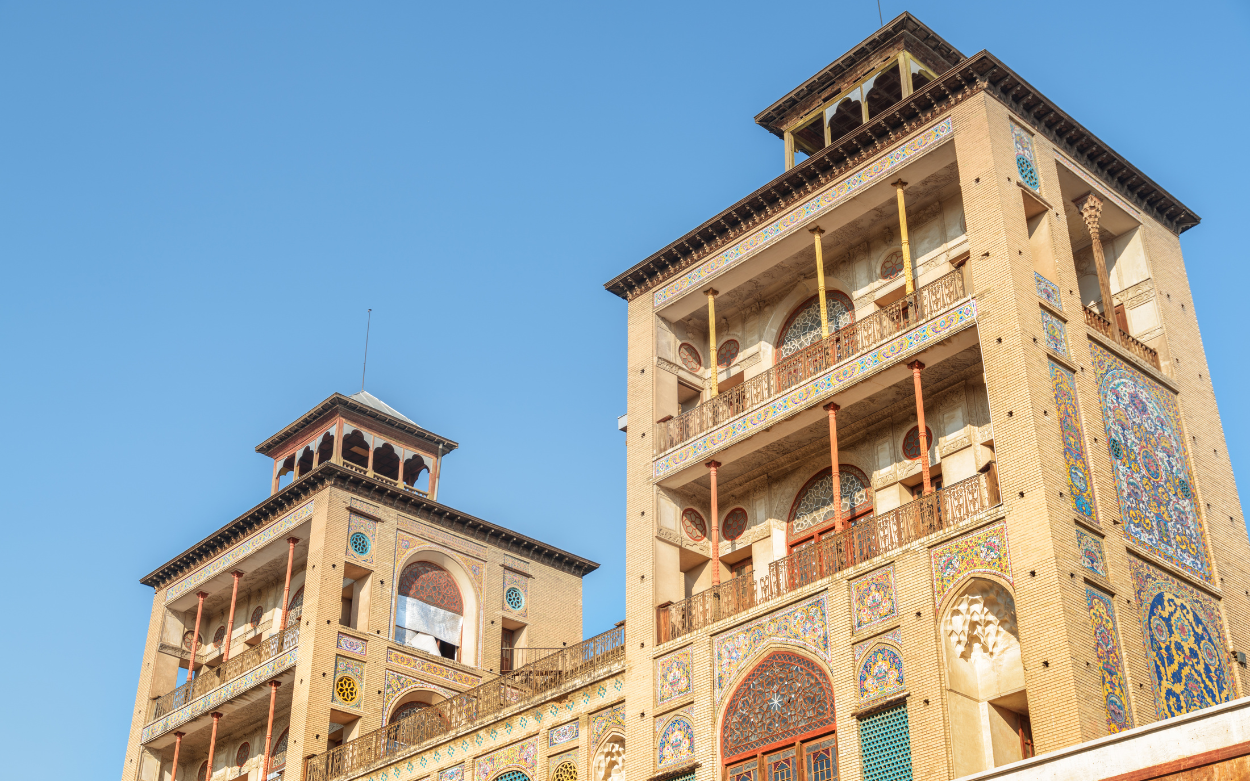
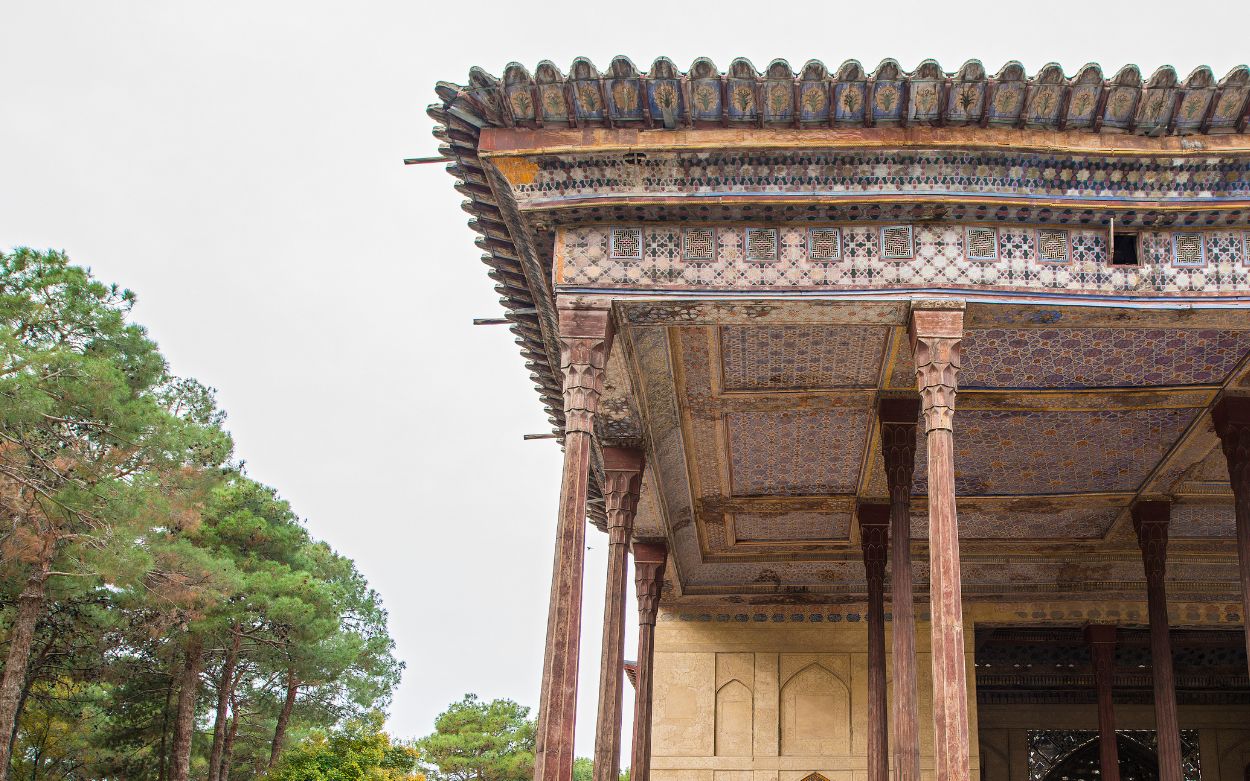
ICOMOS is concerned by confirmed and reported damage to cultural heritage in several countries across the region, in particular several World Heritage sites. For example: damage verified at Golestan Palace (Tehran, Iran), with reported impacts at Chehel Sotoun and Ali Qapu Palaces (Isfahan, Iran); material damage at the archaeological site of Tyre (Lebanon); damage to buildings within the White City of Tel Aviv (Israel); and reported incidents in and around the Old City of Jerusalem and its Walls.
These incidents highlight the risk of irreversible loss.
Cultural heritage forms part of essential social structures embedded in everyday life, sustaining continuity even in situations of displacement. Damage should therefore be understood not only as physical loss, but also as disruption to practices, shared reference systems and cultural anchors, including through loss of access, use and presence. Such losses directly affect the capacity of communities to sustain and transmit cultural life, while cultural heritage can also support continuity, identity and social cohesion in times of crisis.
Upholding international law
ICOMOS reiterates the importance of respecting international humanitarian law and recalls the obligations set out in the 1954 Hague Convention and its Protocols, to which the USA, Israel and Iran are all Parties.
Serious violations of these instruments, including the destruction of cultural property, may entail individual criminal responsibility under international humanitarian law, and threats to cultural property raise serious concerns under these same frameworks.
Under the Rome Statute of the International Criminal Court, intentionally directing attacks against cultural property, when not constituting military objectives, may constitute a war crime. ICOMOS also recalls the ICC Policy on Cultural Heritage (2021) and United Nations Security Council Resolution 2347 (2017).
ICOMOS remains in close contact with its National Committees and colleagues in the countries concerned, providing guidance on preparedness and emergency action, while receiving information and feedback on reported damage. In this context, heritage professionals and local custodians play a critical role as frontline stewards of cultural heritage, working under increasing risk.
ICOMOS calls on all parties to respect their obligations under international law and to safeguard cultural heritage and the communities who sustain it.